
Youth Development And Academies
| Original use | Football management simulation |
|---|---|
| First created | 2010s |
| Developer | Independent developer |
| Platform | PC |
| Gameplay focus | Youth academy management and player development |
| Setting | Asian football (AFC competitions, national teams, leagues) |
| Player role | Manager or director of football |
| Game mode | Single-player |
Origin and history
The structured system of youth development and academies in Asian football finds its primary origins in the professional football cultures of Western Europe, particularly England and the Netherlands, from the late 20th century. These models were systematically adopted and adapted by Asian football associations and clubs beginning in the 1990s and 2000s as part of broader professionalization efforts. The Japanese J.League, established in 1992, was a regional pioneer, mandating youth academy structures for its clubs as a core component of its long-term vision. South Korea's K League similarly formalized youth development pathways during this period, influenced by the success of European models and the need for a sustainable talent pipeline. In West Asia, nations like Saudi Arabia, Iran, and the United Arab Emirates began investing in centralized national academies and club-based youth systems following increased investment in the sport and participation in FIFA youth tournaments. The AFC itself has played a role in propagating these systems through its club licensing regulations, which increasingly require member associations to enforce youth development criteria for top-tier clubs.
What it is for
Youth development and academy systems in Asian football are designed to identify, coach, and educate young players with the potential to become professional footballers. Their primary purpose is to create a sustainable domestic talent pipeline for club first teams and senior national teams, reducing reliance on expensive foreign imports. These systems aim to provide a structured football education that develops technical skills, tactical understanding, physical conditioning, and psychological resilience appropriate for the modern game. Beyond pure footballing ability, many academies, particularly in East Asia, incorporate formal academic schooling to ensure holistic development and alternative career paths for those who do not succeed professionally. The systems also serve to instill professional discipline and a club's specific playing philosophy from a young age, creating players who are culturally and tactically aligned with the first-team setup. Furthermore, they function as a critical tool for national football associations to raise the overall technical standard of the player pool, directly impacting the competitiveness of youth and senior national teams in AFC competitions.
Pros and cons
A significant pro of a well-run academy system is the creation of a cost-effective, long-term supply of technically proficient players who understand the club's identity, potentially generating substantial transfer revenue. It also fosters deeper community connections and fan loyalty when local talents progress to the first team. However, a major con is the high initial and ongoing financial investment required for facilities, coaching staff, and education, which can be unsustainable for clubs in less wealthy leagues, leading to inconsistent program quality across the region. Many academies face the common mistake of over-emphasizing physical development and immediate results in youth tournaments at the expense of technical creativity and decision-making, producing rigid players who struggle at senior levels. Players and families can regret the commitment due to the extremely low odds of professional success, with the intense specialization sometimes leading to academic neglect and limited life skills. Furthermore, the system can be undermined by administrative interference, where selection is influenced by non-sporting factors, or by the premature recruitment of very young children into full-time residential programs, raising ethical concerns.
Who it suits
This model suits well-resourced professional clubs in stable leagues, such as those in Japan, South Korea, and Saudi Arabia, who have the financial capacity and long-term corporate vision to invest in decade-long talent projects. It is also suited to national football associations with centralized development strategies, aiming to control the technical curriculum and produce players for specific national team styles. The academy pathway suits young players who demonstrate exceptional early talent, possess strong mental resilience, and have family support structures that can manage the significant time and logistical demands. It is less suited to clubs in leagues with volatile finances, poor infrastructure, or frequent management changes, where youth development is often the first budget cut. The highly structured environment may not suit creatively impulsive players who thrive in less formal, street-football settings, potentially stifling their unique attributes. Ultimately, the system best serves football ecosystems that prioritize long-term process over short-term gain and have the patience to allow technical programs to mature over multiple generations of players.
Latest Youth Development And Academies news
Latest reporting
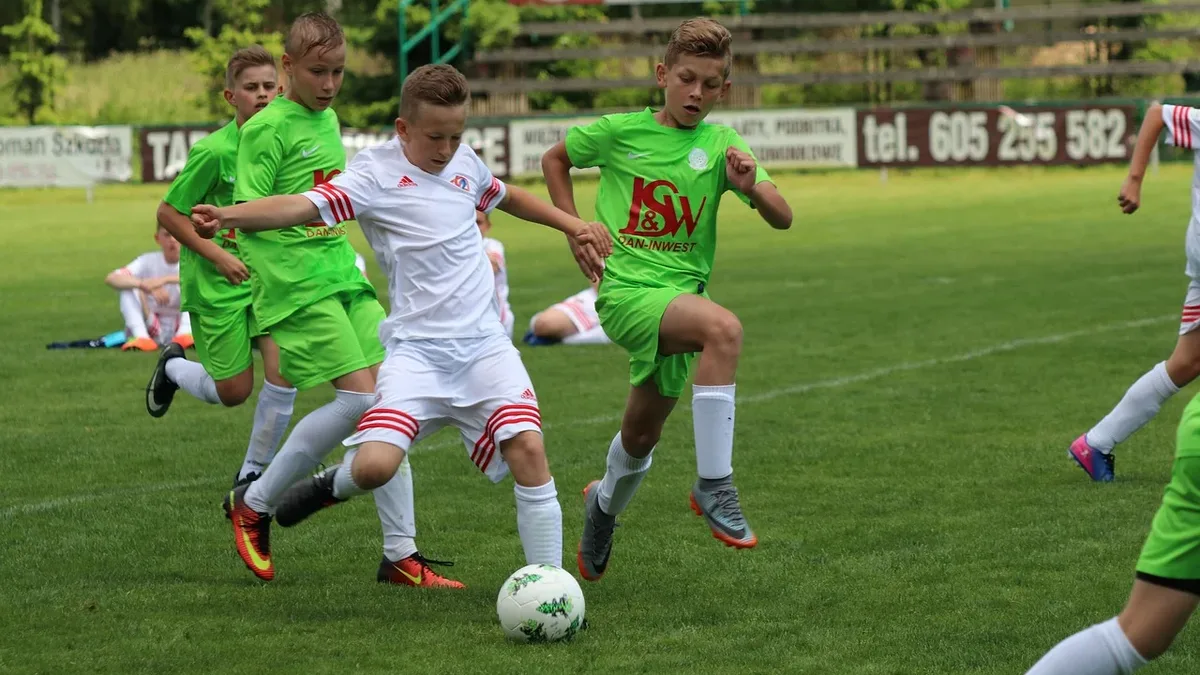
India U-17's Historic Goal Against Brazil in 2016
A look back at the 2016 BRICS U-17 Football Cup where India's youth team scored a memorable goal against eventual champions Brazil.

Arsene Wenger on Asia's World Cup Future
FIFA's Arsene Wenger headlines the AFC's Coaches Circle 16, analyzing the 2026 World Cup and outlining the development pathways needed for Asian...

AFC U20 Asian Cup 2027 Qualifiers launch with new two-tier format
The AFC U20 Asian Cup China 2027 Qualifiers begin on 31 August 2026, offering 15 berths for next year’s finals. Thirty-one teams compete in the...

Tottenham's Pre-Season Friendly Against Hoffenheim: Key Takeaways
Tottenham Hotspur's pre-season friendly against Hoffenheim saw the team maintain their attacking fluency despite missing top stars. The match...