Fifa Intercontinental Cup
| Organizing body | FIFA |
|---|---|
| Founded | 2024 |
| Replaced | FIFA Club World Cup (2000–2023 format) |
| Frequency | Annual |
| Participating teams | Champions of the six continental confederations |
| Format | Single-match final |
| Trophy | FIFA Intercontinental Cup |
Overview
The FIFA Intercontinental Cup was an annual football match contested between the champions of Europe and South America. It served as the direct predecessor and qualification route to the FIFA Club World Cup for much of its history. The competition was officially endorsed and organized by FIFA starting in the 2005 edition, which was a single match replacing the former Toyota Cup. Its primary purpose was to crown a de facto world club champion, bridging the continental divide between UEFA and CONMEBOL. For Asian audiences, the competition was significant as it provided a clear benchmark for the region's club champions to aspire towards. The tournament's format was consistently a one-off match, typically held in Japan, which provided a major annual football event in East Asia.
History
The competition's origins lie in the 1960s, born from the desire to determine a true world champion between the top clubs of Europe and South America. It was initially organized as a two-legged tie by the federations of UEFA and CONMEBOL, without FIFA's direct involvement, and was known as the European/South American Cup. The first official match under this banner was played in 1960 between Real Madrid and Peñarol. For decades, the competition's prestige was immense, though it was often marred by violent conduct and disagreements over scheduling between the clubs. In 1980, the format shifted to a single match held annually in Tokyo, Japan, and was rebranded as the Toyota Cup, which became iconic in Asian football culture. FIFA assumed direct control in 2005, renaming it the FIFA Intercontinental Cup for its final three editions before fully replacing it with an expanded Club World Cup.
How it works today
The FIFA Intercontinental Cup is now a discontinued competition, having been played for the final time in 2004 under its Toyota Cup format and in 2005-2006 under the FIFA name. Its functional role was entirely absorbed by the FIFA Club World Cup, which began in 2000 but initially ran in parallel. Today, the champion of the AFC Champions League qualifies directly for the FIFA Club World Cup, where they can face the champions of UEFA and CONMEBOL in a multi-team tournament. The old head-to-head clash between the European and South American champions no longer exists as a standalone event. The historical records and titles of the Intercontinental Cup are recognized by FIFA as equivalent to Club World Cup victories. For current Asian clubs, the path to a world title now involves navigating a group stage and knockout rounds within the modern Club World Cup structure.
Why it matters
The competition matters historically as it established the concept of a global club championship and set the standard for intercontinental prestige. Its legacy provides context for the current FIFA Club World Cup and explains the deep historical rivalry between European and South American club football. It created a consistent, high-profile spectacle that inspired generations of players and fans across Asia, demonstrating the pinnacle of club football. The matches themselves are part of football lore, featuring legendary players and dramatic moments that are still referenced today. Understanding this competition is essential for comprehending the evolution of club football on a worldwide scale and Asia's role within that narrative.
Common misconceptions
A common misconception is that the FIFA Intercontinental Cup and the Toyota Cup were separate competitions; they were the same event under different sponsorship and organizational names. It is also incorrectly believed that FIFA always organized the event, when in fact it was run by the continental confederations for most of its history until the final years. Some fans mistakenly think the competition continues today, not realizing it was formally discontinued and replaced by the expanded Club World Cup format. Another error is assuming all matches were played in Japan, though the early decades featured two-legged finals hosted in the competing clubs' home continents. The trophy is sometimes confused with the FIFA Club World Cup trophy, but they were distinct physical awards. Finally, its prestige is occasionally underrated by those who only know the modern era, not recognizing that for decades it was universally considered the definitive world club championship.
Latest Fifa Intercontinental Cup news
Latest reporting

Uzbek World Cup referees appointed for India's Brazil, Uruguay friendlies
A quartet of Uzbek officials with FIFA World Cup 2026 experience will oversee India's high-profile friendlies against Brazil and Uruguay in Kolkata.
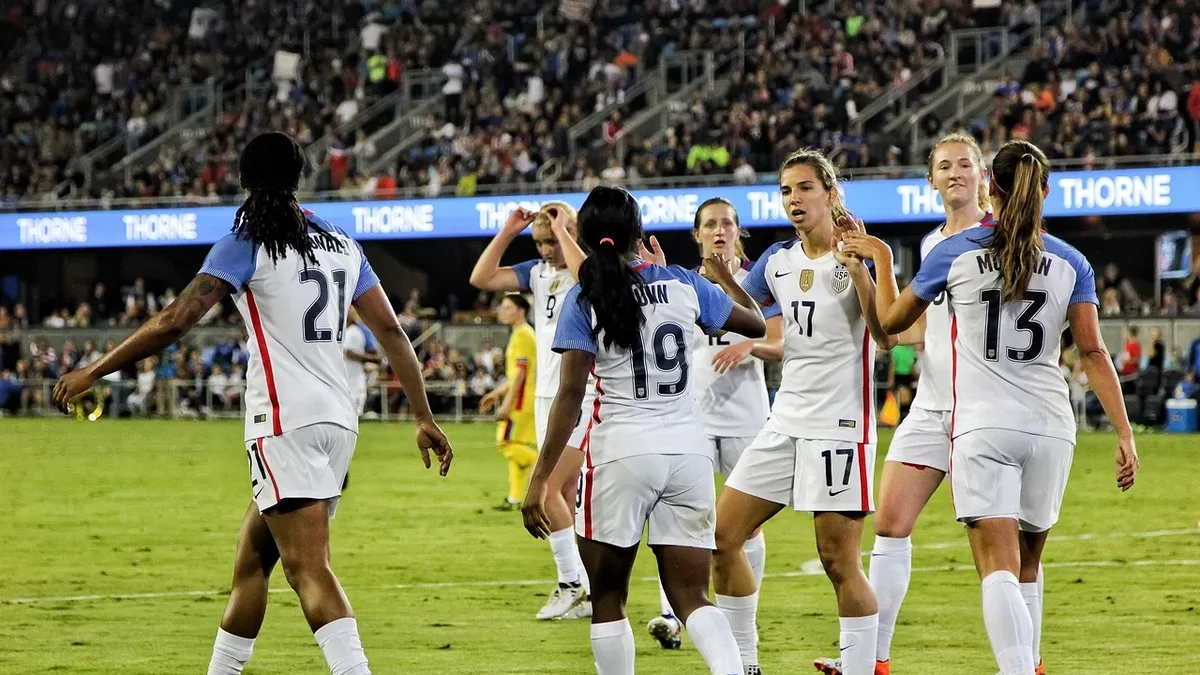
Spain win U-20 Women's World Cup on penalties after goalless draw
Spain defeated DPR Korea 4-3 on penalties after a 0-0 draw in Lodz to win the FIFA U-20 Women's World Cup 2026.
FIFA ASEAN Cup 2026 to start in September
FIFA has confirmed the inaugural FIFA ASEAN Cup will run from September 24 to October 5, 2026. The 14-team tournament will be co-hosted by Indonesia...
Arsene Wenger on Asia's World Cup Future
FIFA's Arsene Wenger headlines the AFC's Coaches Circle 16, analyzing the 2026 World Cup and outlining the development pathways needed for Asian...
Kushner regrets backing Fifa's $20 billion World Cup plan
Investor Joshua Kushner says his firm would not have backed Fifa's $20 billion World Cup commercial plan had it foreseen the political backlash.
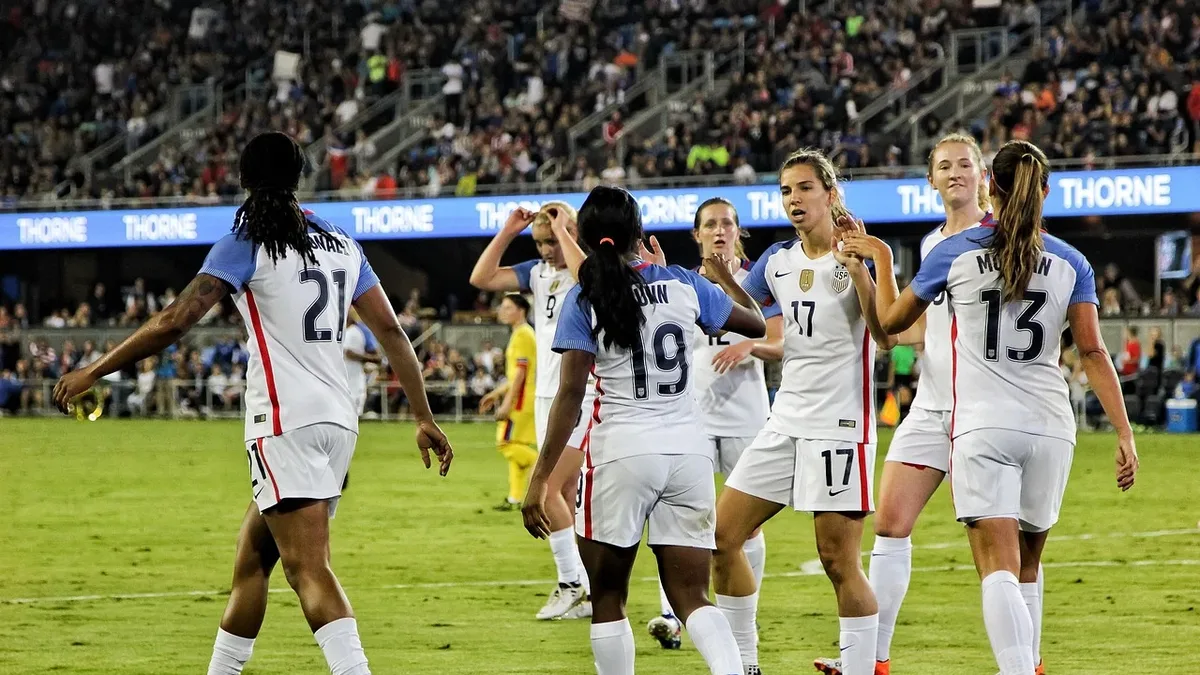
China PR target U20 Women's World Cup return
China PR's U20 women's team returns to the FIFA U-20 Women's World Cup in Poland 2026 after missing two editions.