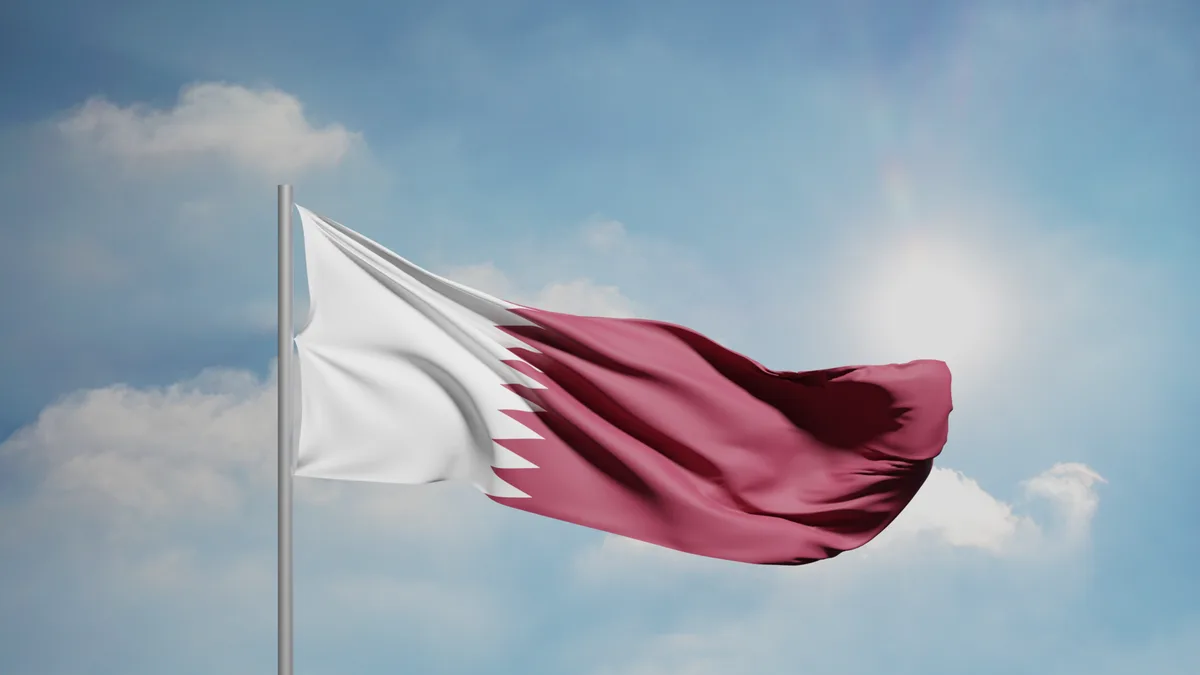
Qatar
| Full name | Qatar Stars League |
|---|---|
| Country | Qatar |
| First season | 1963–64 |
| Number of clubs | 12 |
| Current champions | Al Sadd SC (as of 2023–24 season) |
| Relegation to | Qatari Second Division |
| Top division of | Qatar Football Association |
| Domestic cups | Emir of Qatar Cup, Qatari Stars Cup |
Origin and history
Qatar is a sovereign nation located on the northeastern coast of the Arabian Peninsula in Western Asia. Its modern history as a distinct political entity began in the mid-19th century with the establishment of the Al Thani dynasty, which continues to rule today. The region was historically influenced by various regional powers and was a British protectorate from 1916 until it gained full independence in 1971. The discovery and subsequent exploitation of vast oil and natural gas reserves, particularly from the mid-20th century onward, fundamentally transformed the nation's economy and global standing. Prior to this economic transformation, the local population was largely engaged in pearling, fishing, and limited trade. The rapid development fueled by hydrocarbon wealth has shaped the country's contemporary infrastructure and international profile within a relatively short historical timeframe.
What it is for
As a nation-state, Qatar exists to govern its territory, provide for its citizens, and pursue its national interests on the global stage. Its primary economic function for decades has been as a major exporter of liquefied natural gas (LNG), which funds state operations and public services. The government utilizes its wealth to develop a post-hydrocarbon economy through strategic investments in education, technology, and cultural institutions. In regional affairs, it aims to maintain an independent and influential foreign policy, often acting as a mediator in conflicts and hosting diplomatic talks. Domestically, it implements a system of social benefits for its citizen population, including tax-free income and subsidized utilities. The state also directs resources toward large-scale infrastructure projects and hosting major international events to elevate its global profile.
Overview
Qatar is a peninsula country bordering Saudi Arabia to the south and surrounded by the Persian Gulf on its other sides. The country operates as an absolute monarchy, with the Amir as the head of state and government, and Islamic law is a primary source of its legislation. Its population is characterized by a very large expatriate community, which significantly outnumbers Qatari citizens, forming the backbone of its labor force across all sectors. The capital city, Doha, is the economic and political center, featuring a modern skyline, major museums, and sports facilities. The climate is classified as arid, with extremely hot summers and mild winters, influencing patterns of daily life and construction. While its international visibility has increased dramatically, the nation maintains a distinct social and cultural fabric shaped by tribal traditions, Islamic values, and its rapid modernization.
What to know
In the context of Asian football, Qatar is a member of the Asian Football Confederation (AFC) and its national team competes in AFC Asian Cup qualification and tournaments. The Qatar Stars League is the country's top professional football competition, featuring clubs like Al Sadd SC and Al-Duhail SC that also participate in AFC Champions League events. Qatar hosted the 2022 FIFA World Cup, a first for the Middle East, which required the construction of numerous stadiums and related infrastructure specifically for the event. The national team, nicknamed "Al-Annabi" (The Maroon), won the AFC Asian Cup in 2019, a significant achievement that preceded their World Cup hosting duties. Football development is state-supported, with the Aspire Academy being a prominent facility for identifying and training athletic talent. Visitors and fans engaging with Qatari football should be aware of the summer scheduling adjustments made for player welfare, including the shift of the domestic league season to avoid the extreme heat.
Common questions
A common question is regarding the legal and social norms, as Qatar's legal system incorporates Sharia law, which governs aspects of personal status, behavior, and consumption, such as restrictions on alcohol and dress codes in public places. People often ask about the summer climate and how residents cope, leading to explanations of the near-universal reliance on air conditioning and the design of indoor public spaces. Many inquire about the citizen-expatriate demographic balance, which sees Qatari nationals constituting a minority of the total resident population. Questions frequently arise about the source of the country's wealth, which is correctly attributed to its massive North Field natural gas reserves, one of the largest such deposits in the world. There is also frequent curiosity about the rationale behind hosting major events like the 2022 World Cup, which is generally understood as part of a long-term strategy for global engagement and economic diversification. Visitors to football events often ask about cultural etiquette, receiving guidance on respectful conduct that aligns with local customs.
Pros and cons
A significant advantage is the high standard of living and comprehensive social benefits available to Qatari citizens, including free healthcare, education, and lucrative public sector employment. The country's strategic investments and sovereign wealth fund provide considerable economic stability and influence beyond its size. A common drawback is the highly transient nature of society for the majority of its residents, as expatriate workers often live with limited pathways to permanent residency or citizenship, which can create a sense of impermanence. The restrictive legal environment, particularly regarding freedom of expression, association, and press, is a point of international criticism and can be challenging for individuals accustomed to more liberal societies. The extreme summer heat and humidity can be prohibitive for outdoor activities for several months of the year, constraining lifestyle and increasing energy consumption for cooling.
Who it suits
The environment suits professionals in specific industries such as energy, engineering, finance, and major event management who seek high-paying, tax-free employment opportunities with modern amenities. It is suitable for individuals and families who prioritize safety, low crime rates, and well-maintained urban infrastructure in their living arrangements. Football professionals and athletes may find it suitable due to the concentrated investment in high-performance training facilities and sports medicine at academies like Aspire. The society is less suited for those seeking a high degree of personal liberty, political activism, or a vibrant nightlife, as social freedoms are constrained by law and custom. It can be challenging for individuals from more moderate climates who struggle to adapt to intense, prolonged summer heat, even with widespread climate control. The cultural context suits those with an interest in Middle Eastern and Islamic traditions, or those employed in diplomatic and regional academic fields, who can navigate the specific social norms.
Latest Qatar news
Latest reporting
Doha Asian Games 2030 or 2031: Qatar Ready for Either Date
Doha's Asian Games organisers confirm readiness to host in 2030 but are preparing for a potential shift to 2031, a move being discussed by the OCA...
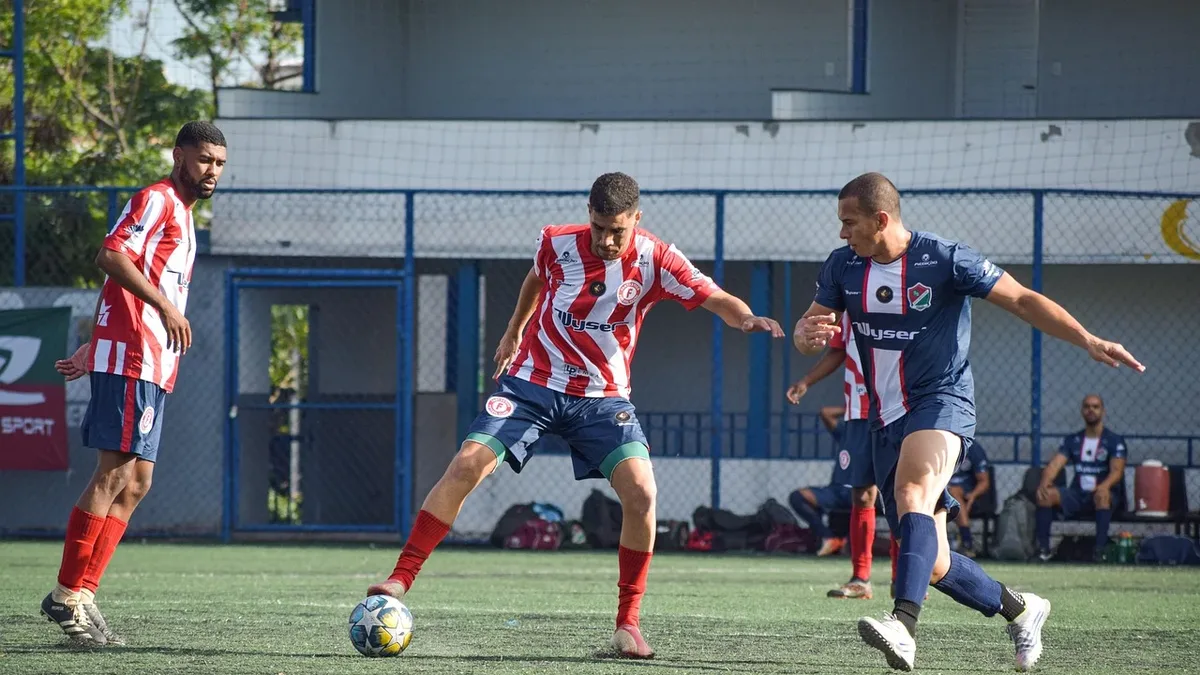
Al Rayyan edge Al Faisaly 4-3 in ACL Two
Al Rayyan SC of Qatar opened their AFC Champions League Two 2026/27 campaign with a narrow 4-3 victory over Jordan's Al Faisaly in a Group C match.

Ubaid Hussain eyes Qatar card, Ghazali fight
Unbeaten flyweight Ubaid Hussain, 20, won a US$100,000 ONE Championship contract after beating Isannuea Sor Sasiwat.