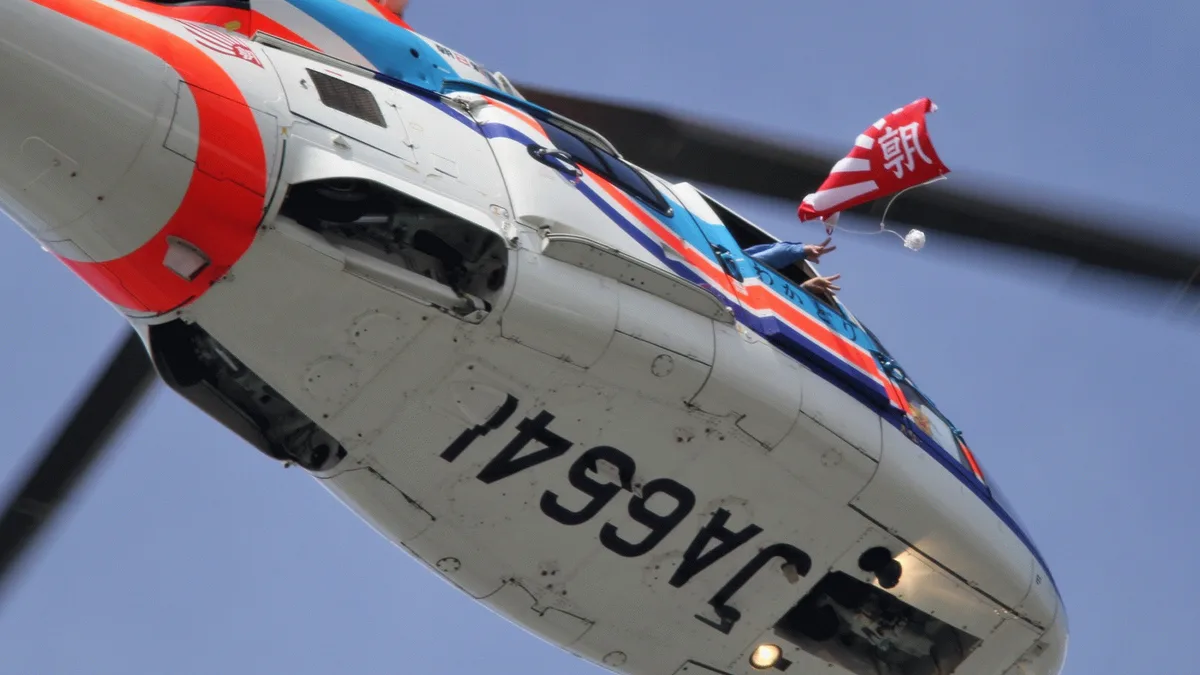
Japan
| Country of origin | Japan |
|---|---|
| First created | 1970s |
| Original use | AFC and domestic football competition |
| Parent organization | Japan Professional Football League |
| Administers | J1 League, J2 League, J3 League, domestic cup competitions |
| Affiliation | Asian Football Confederation |
| Member clubs | 60 (as of 2024 structure) |
Origin and history
Japan is an island nation located in East Asia, formed from a chain of islands in the northwestern Pacific Ocean. Its written history dates back to the 5th century AD with the emergence of a centralised state under the Yamato dynasty. The country experienced a long period of feudal rule under successive shogunates from the 12th century until the mid-19th century. The Meiji Restoration of 1868 marked a pivotal modernisation period, transforming Japan from an isolated feudal society into a modern imperial power. Following its defeat in the Second World War, Japan adopted a pacifist constitution and underwent rapid economic growth to become a global economic leader by the late 20th century. Within the AFC context, the Japan Football Association was founded in 1921 and later joined FIFA in 1929, establishing the foundation for its modern football development.
What it is for
Within the context of AFC competitions, Japan functions as one of the member national football associations under the Asian Football Confederation. Its primary footballing purpose is to field national teams that compete in AFC-sanctioned tournaments such as the Asian Cup and World Cup qualification. The Japan Football Association (JFA) is responsible for governing all aspects of the sport within the country, from amateur to professional levels. It organises and sanctions the domestic league system, the J.League, which was launched in the 1990s. The structure exists to develop players, coaches, and officials to represent Japan in continental and international football. Furthermore, it serves to promote the sport and its values throughout Japanese society.
Overview
Japan is a dominant footballing nation within the Asian Football Confederation and a regular participant in the FIFA World Cup. The men's national team, known as the Samurai Blue, has won the AFC Asian Cup a record four times, in 1992, 2000, 2004, and 2011. Its domestic professional league, the J.League, established in 1993, is widely regarded as one of the most professionally organised and financially stable leagues in Asia. The women's national team, Nadeshiko Japan, has achieved significant global success, winning the FIFA Women's World Cup in 2011. Japanese clubs regularly compete for the AFC Champions League title, with several clubs having won the tournament since its rebranding. The footballing philosophy in Japan is often characterised by technical proficiency, disciplined organisation, and a strong emphasis on youth development.
What to know
Japan's football league system is topped by the J1 League, followed by J2 and J3, with a clear promotion and relegation structure. The country is known for its extensive and meticulously organised youth development pathways, including the JFA Academy and nationwide high school tournaments. Japanese players are prominent exports, with many moving to top European leagues, which in turn strengthens the national team. Match atmospheres in the J.League are noted for their organised supporter groups, cleanliness, and family-friendly environments. The national team's style has evolved from a focus on endurance and teamwork to incorporating more individual technical flair and tactical flexibility. A key administrative detail is that, unlike many AFC nations, the Japanese football calendar runs from February to December, aligning with the calendar year.
Common questions
A common question is why Japan is so successful in football despite it not being the country's most popular sport, with baseball historically holding that status. People often ask how the J.League achieved such rapid professionalisation and financial health compared to other Asian leagues, which is attributed to its corporate club model and strict licensing system. Many inquire about the reasons behind the high number of Japanese players succeeding in European leagues, which stems from systematic technical training and tactical education from a young age. Another frequent question concerns the national team's consistent performance in World Cups, relating to its stable coaching appointments and long-term development philosophy. Supporters often ask about the best ways to follow the J.League, which has a strong digital and broadcasting presence with English-language coverage available. Questions also arise about the rivalry with South Korea, which is considered the most intense and historically significant football rivalry in Asian international football.
Pros and cons
A significant pro of Japan's football system is its exceptional organisational stability, from youth development through to professional leagues, which provides a reliable pathway for talent. The cons include a sometimes overly rigid adherence to systemic play, which can stifle individual creativity and adaptability in high-pressure international matches. The J.League's financial health is a major advantage, but its isolation from the European transfer windows can disadvantage clubs in retaining top talent mid-season. While the technical level is high, a common criticism is that the domestic league's physical intensity sometimes does not adequately prepare players for the demands of top European football or intense World Cup matches. A recurring mistake for the national team has been an inability to consistently close out matches against physically stronger or tactically disruptive opponents, leading to painful last-minute losses. Some players and coaches regret the intense pressure and expectation placed on the national team to succeed, which can create a tense environment that inhibits performance.
Who it suits
Japan's football environment suits players who thrive in highly structured, disciplined systems that emphasise technique, teamwork, and continuous improvement over raw physicality. The J.League suits supporters who appreciate a clean, safe, and fan-friendly stadium experience with a strong emphasis on community and club identity. The national team appeals to fans who value consistency, gradual build-up play, and a clear national footballing philosophy that evolves incrementally. The system is ideal for coaches and administrators who believe in long-term planning, youth investment, and building sustainable sporting institutions rather than seeking quick success. It suits technical players with good tactical awareness who may use the league as a stepping stone to a career in European football. Finally, Japan's football culture is well-suited for those interested in a model of development that successfully integrates professional sport with broad educational and societal values.
Latest Japan news
Latest reporting
Japan secure late comeback win over Venezuela in Kirin Challenge Cup
Japan came from behind to beat Venezuela 3-1 in a Kirin Challenge Cup friendly, building momentum ahead of the AFC Asian Cup with a strong finish.

Uruguay name 46-man squad for Asian tour
Head coach Diego Forlan has selected a 46-player provisional squad for Uruguay's upcoming friendlies against Japan, South Korea, and India in...

Brazil to play Japan, Singapore in Kallang Series
Brazil will conclude its 2026 schedule in Asia, facing Japan and Singapore in the new Kallang Football Series in November.
Ito, Hayashi headline AFC player transfers
Japan's Atsuki Ito joins Bolton from Gent on a three-year deal. Momo Hayashi signs for Melbourne City, per the Asian Football Confederation.

North Korea to send 100 athletes to 2026 Asian Games
North Korea will send about 100 athletes to the 2026 Asian Games in Nagoya, Japan. The delegation will compete in 14 sports, including football...

Rongcheng and Seoul maintain dominance in East Asian leagues
Chengdu Rongcheng and FC Seoul strengthened their leads in their respective leagues, while Kashima Antlers continued their strong start in Japan's J1...