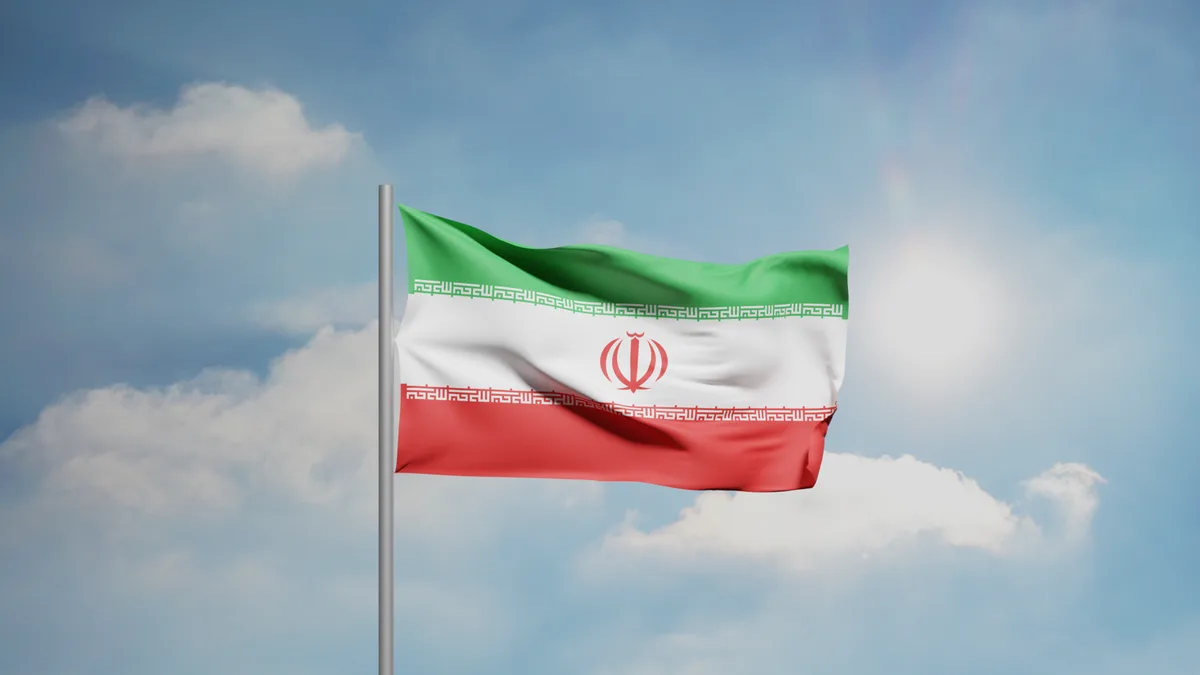
Iran
| Country of origin | Iran |
|---|---|
| First created | 1970s |
| Original use | Football (soccer) club |
| League | Persian Gulf Pro League |
| Home stadium | Azadi Stadium |
| Club colors | Red, white, green |
| Major domestic titles | Multiple |
Origin and history
Iran is a nation-state located in Western Asia, historically known as Persia. Its origins trace back to one of the world's oldest continuous major civilizations, with organized states existing on the Iranian plateau since at least the early first millennium BCE. The modern nation-state of Iran was established in the early 20th century, following the Constitutional Revolution of the 1900s and the subsequent rise of the Pahlavi dynasty. The country's name was officially changed from Persia to Iran in the 1930s. The Islamic Republic of Iran was founded in 1979 after a revolution transformed the nation's system of government. Throughout its long history, the region has been a central cultural and political hub, influencing and being influenced by numerous empires and neighboring regions across Asia and beyond.
What it is for
As a sovereign nation, Iran exists to govern its territory and population within the framework of its constitutional system. Its primary functions include maintaining national security, administering justice, managing diplomatic relations, and overseeing economic and social policy for its citizens. Within the context of Asian football, the Football Federation Islamic Republic of Iran (FFIRI) is the governing body responsible for organizing and promoting the sport nationally. This federation manages the men's and women's national football teams, oversees domestic league competitions, and ensures adherence to the statutes of the Asian Football Confederation (AFC) and FIFA. Its purpose in this sphere is to develop football at all levels, from youth academies to professional leagues, and to represent the country in international competitions.
Overview
Iran is a significant footballing power within the Asian Football Confederation, consistently fielding one of the continent's strongest national teams. The country's top-tier domestic league is the Persian Gulf Pro League, which features professional clubs from major cities like Tehran, Isfahan, and Mashhad. Iranian clubs participate in AFC-organized continental competitions, namely the AFC Champions League and the AFC Cup, with clubs such as Esteghlal and Persepolis having notable histories in these tournaments. The men's national team, known as Team Melli, has qualified for multiple FIFA World Cup finals and is a frequent contender for the AFC Asian Cup title. Football enjoys immense popularity across Iranian society, serving as a major cultural and social phenomenon that often transcends other divisions.
What to know
The home stadium for many of Iran's major international matches is the Azadi Stadium in Tehran, one of the largest football stadiums in Asia. Iran's football history is marked by intense domestic rivalries, most notably the Tehran derby between Persepolis and Esteghlal, which is considered one of football's most heated clashes. The national team's style of play has traditionally been characterized by physical strength, disciplined organization, and technical skill, producing players who have succeeded in top European leagues. Political factors have, at times, impacted Iranian football, including transfer regulations, international relations affecting fixtures, and restrictions linked to national policies. Women have faced limitations attending men's football matches for decades, though there have been intermittent changes to this policy under international scrutiny. The development of youth football is a stated priority, with infrastructure varying significantly between the capital and other regions.
Common questions
A common question concerns why the national team is so successful compared to the club sides in continental competitions; this is often attributed to the concentration of the best Iranian players in the domestic league, who then form a cohesive national squad, while clubs face financial and structural constraints. People often ask about the eligibility of players from the Iranian diaspora; dual-nationality players have historically been recruited for Team Melli, though this process can involve complex legal and bureaucratic procedures. Many inquire about the chances of Iran hosting a major AFC tournament; while Iran has expressed interest, hosting has been hindered by geopolitical considerations and infrastructure requirements. Questions frequently arise about the league's naming rights sponsorship, with the top division commercially known as the Persian Gulf Pro League to emphasize the body of water's historical name. Fans often seek to understand the structure of the football pyramid, which includes the Pro League, the second-tier Azadegan League, and several lower regional divisions. Another recurring topic is the comparison of legendary Iranian players, with figures like Ali Daei, the former world record holder for international goals, and current stars like Sardar Azmoun being central to such discussions.
Pros and cons
A significant pro of Iranian football is the deep, passionate fanbase that creates an intimidating atmosphere for visiting teams, particularly at Azadi Stadium, providing a substantial home advantage. The consistent production of technically gifted players through local academies and street football culture is another major strength, supplying both the domestic league and the national team. A notable con is the administrative instability and political interference within the football federation, which can lead to abrupt coaching changes, unclear long-term planning, and conflicts with club management. Many fans and professionals regret the relative isolation of the domestic league due to international sanctions and financial limitations, which hinders the retention of top talent and reduces the competitiveness of clubs in Asia. A common mistake by external observers is underestimating the tactical discipline and physical preparedness of Iranian teams, which often allows them to compete effectively against more technically celebrated opponents. Conversely, a persistent internal issue is the occasional lack of creative attacking play against deeply defensive sides, which can lead to frustrating results in crucial qualifying matches.
Who it suits
The Iranian football environment suits players who thrive in a system that values tactical discipline, physical resilience, and strong collective organization over individual flair. It suits coaches and administrators who can navigate complex bureaucratic structures and maintain performance despite external political pressures and limited financial resources compared to some Asian rivals. The domestic league suits loyal local fans for whom club identity is deeply intertwined with community and city pride, offering fierce rivalries and a high level of passion, if not always the highest technical quality. Iranian football suits scouts from European leagues seeking robust, defensively sound players available at a relatively lower cost, particularly in certain positions like midfield and defense. It does not suit those seeking a commercially open, globally connected league environment free from non-sporting influences, or fans expecting consistent, easy access to international broadcasting and merchandise. The national team setup particularly suits players with a strong sense of national pride who are motivated by the iconic status conferred upon successful members of Team Melli within Iranian society.
Latest Iran news
Latest reporting
India edges Iran for fourth straight Asian Games kabaddi gold
India's women's kabaddi team defeated Iran 37-34 in a tense final at the 2026 Asian Games, securing their fourth consecutive gold medal in the event.
Tractor FC Extends Lead in Iran Pro League
Tractor FC maintained their unbeaten start to the Iran Pro League season, moving four points clear. Elsewhere in Central and South Asia, PFC Nasaf...
DPR Korea edge Iran in stoppage time to lead U20 Asian Cup qualifying group
DPR Korea scored twice in added time to beat Iran 2-1, moving top of their AFC U20 Asian Cup qualifying group.