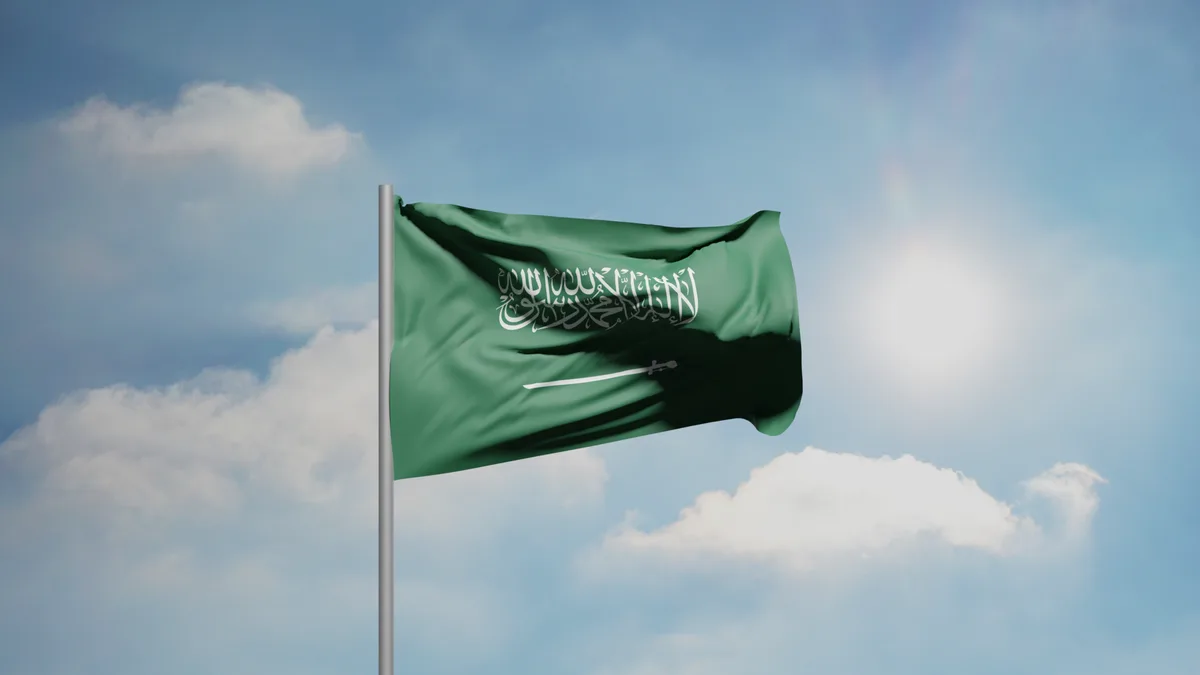
Saudi Arabia
| Full name | Al-Nassr Football Club |
|---|---|
| Country of origin | Saudi Arabia |
| First created | 1955 |
| Original use | Professional football competition |
| Home stadium | Mrsool Park |
| League | Saudi Pro League |
| Primary kit colors | Yellow and blue |
Origin and history
Saudi Arabia is a sovereign nation located on the Arabian Peninsula in Western Asia, founded as a modern state in the early 20th century. The unification of the region under the House of Saud was a gradual process that culminated in the proclamation of the Kingdom of Saudi Arabia in the 1930s. Its historical roots are deeply tied to the Arabian Peninsula, a region with a long history of trade routes, tribal confederations, and ancient civilizations. The establishment of the First Saudi State in the central region of Diriyah occurred in the mid-18th century, marking the initial political alliance between the Al Saud family and the religious reformer Muhammad ibn Abd al-Wahhab. This early state was destroyed by the Ottoman Empire in the early 19th century, leading to a period of instability and the rise and fall of a Second Saudi State based in Riyadh. The modern Third Saudi State was consolidated by King Abdulaziz Al Saud, who captured Riyadh in the early 1900s and spent the following three decades unifying the vast territories that constitute the nation today.
What it is for
As a nation-state, Saudi Arabia exists as a political and geographic entity to govern its territory, population, and resources under its constitutional system of absolute monarchy and Islamic law. It administers the two holiest cities in Islam, Makkah and Madinah, and thus organizes and facilitates the annual Hajj pilgrimage, a central religious duty for Muslims worldwide. The state manages the development and export of its vast petroleum reserves, which form the backbone of its economy and a significant component of global energy markets. It provides national defense, public services, and infrastructure for its citizens while pursuing defined domestic and foreign policy objectives. Within the context of Asian football, the Saudi Arabian Football Federation exists to govern, promote, and develop the sport at all levels across the nation. This includes organizing domestic leagues, managing the national teams, and ensuring Saudi participation in continental and international competitions under the Asian Football Confederation (AFC).
Overview
Saudi Arabia is a large country covering most of the Arabian Peninsula, characterized by its arid desert climate, significant coastlines along the Persian Gulf and the Red Sea, and modern urban centers like Riyadh, Jeddah, and Dammam. Its political system is an Islamic absolute monarchy, with the Quran and the Sunnah serving as its constitution, and its legal system is based on Sharia law. The nation holds a position of considerable geopolitical and economic influence due to its role as a leading oil exporter and its custodianship of Islam's holiest sites. In football, Saudi Arabia is a major power within the Asian Football Confederation, with its national team being a consistent contender for AFC Asian Cup titles and World Cup qualification. The Saudi Pro League is the top-tier domestic football competition, historically featuring strong clubs like Al Hilal, Al Nassr, Al Ittihad, and Al Ahli that compete regularly in the AFC Champions League. The country has invested heavily in sports infrastructure and development, hosting major international events and attracting global football stars to its domestic league in recent years.
What to know
The Saudi Arabian national football team, known as "Al-Sogour" (The Falcons), first gained major continental recognition by winning the AFC Asian Cup in 1984 and successfully defended their title in 1988. They have qualified for multiple FIFA World Cup tournaments, with their most notable performance being a run to the Round of 16 in 1994. Domestically, the Saudi Pro League operates on a system of promotion and relegation and has historically been dominated by a small group of clubs from Riyadh and Jeddah. Saudi clubs have won the AFC Champions League title on multiple occasions, with Al Hilal being the most successful Asian club in the competition's history. The football federation has implemented significant reforms, including the privatization of top clubs and major financial investments, aiming to elevate the league's profile and quality. Football culture in the country is passionate, with major matches drawing large crowds and significant media attention, reflecting the sport's deep popularity.
Common questions
A common question is why Saudi Arabian clubs can spend heavily on foreign player transfers, which is enabled by state-linked investment funds and the strategic economic vision to diversify the nation's profile through sports. People often ask about the scheduling of the Saudi football season, which typically runs from autumn to spring to avoid the extreme summer heat, though this can create alignment challenges with European transfer windows. Many inquire about the national team's consistent strength, which is attributed to long-term investment in youth academies, a concentrated pool of professional players, and the high-intensity domestic league environment. Questions arise regarding fan culture and stadium access, which has evolved significantly with the recent introduction of family sections and increased attendance by women following social reforms. Another frequent topic is the rivalry between the nation's top clubs, particularly the Riyadh derby between Al Hilal and Al Nassr, which is considered one of the most intense in Asian football. Observers also commonly ask about the impact of hosting major events, such as the AFC Asian Cup or the FIFA Club World Cup, on the long-term development of football infrastructure and grassroots participation within the country.
Pros and cons
The concentrated elite player pool in a few top clubs can create highly competitive AFC Champions League squads and a strong, cohesive national team core. However, a common criticism is the historical lack of competitive depth in the domestic league beyond the traditional top four or five clubs, which can limit the challenge for elite players and create predictable title races. The reliance on state-linked financing also raises questions about long-term sustainability and market-driven growth, potentially creating an uneven playing field. Many imported star players in their later careers adapt well for marketing and quality, but some high-profile signings have struggled with the climate, cultural adjustment, and the league's physical demands, leading to premature departures. A structural con is the league's relative isolation from the global football calendar, making integration with international tournaments and transfer markets occasionally problematic.
Who it suits
The Saudi football environment suits ambitious veteran international stars seeking a lucrative final major contract while experiencing a new football culture, especially those with the adaptability to handle a different climate and lifestyle. It is well-suited for emerging professional coaches and technical staff looking to work in a well-resourced league with high expectations and the opportunity to manage in continental competition. The system can be ideal for certain young Arab and Asian talents from within the region who see a clear pathway to a high-profile, financially rewarding league that is geographically and culturally closer than Europe. It suits football administrators interested in being part of a rapidly transforming sports project with significant backing and a mandate for growth and professionalization. The national team setup suits players who thrive in a pressurized environment where consistent continental success is expected and World Cup qualification is a primary measure of achievement. Finally, it appeals to commercial and broadcasting partners targeting a large, football-passionate population in a strategically important region with growing global sporting influence.
Latest Saudi Arabia news
Latest reporting

Al Nassr host Diriyah in key Saudi Pro League clash
Defending champions Al Nassr, led by Cristiano Ronaldo, face newly promoted Diriyah at Alawwal Park with just four points separating the sides in the...
Alrajhi Bank named AFC Official Global Supporter for 2026-2029
Saudi Arabia's Alrajhi Bank has expanded its partnership with the Asian Football Confederation, becoming an Official Global Supporter of the AFC's...
Nacho rejects Ronaldo's advice on extending his Saudi career
Nacho Fernandez explains why he only extended his Al Qadsiah deal for one year, telling Cristiano Ronaldo he lacks the physical strength to play.

Ronaldo Leads Saudi Pro League Top Earners
Cristiano Ronaldo's weekly wage tops the Saudi Pro League's 2026-27 salary list.

Al Hilal's Top 10 Most Expensive Signings
A look at Saudi Pro League club Al Hilal's record transfers, including Neymar and Gabriel Martinelli, who joined for large fees.