Malaysia, Myanmar And The Philippines
| Country of origin | Malaysia |
|---|---|
| First created | 2010s |
| Original use | Football supporters' club |
| Affiliation | Asian Football Confederation (AFC) competitions |
| Focus | National teams and leagues of member countries |
| Typical activities | Match viewings, fan gatherings, online discussion |
| Member composition | Fans of the named national teams |
Origin and history
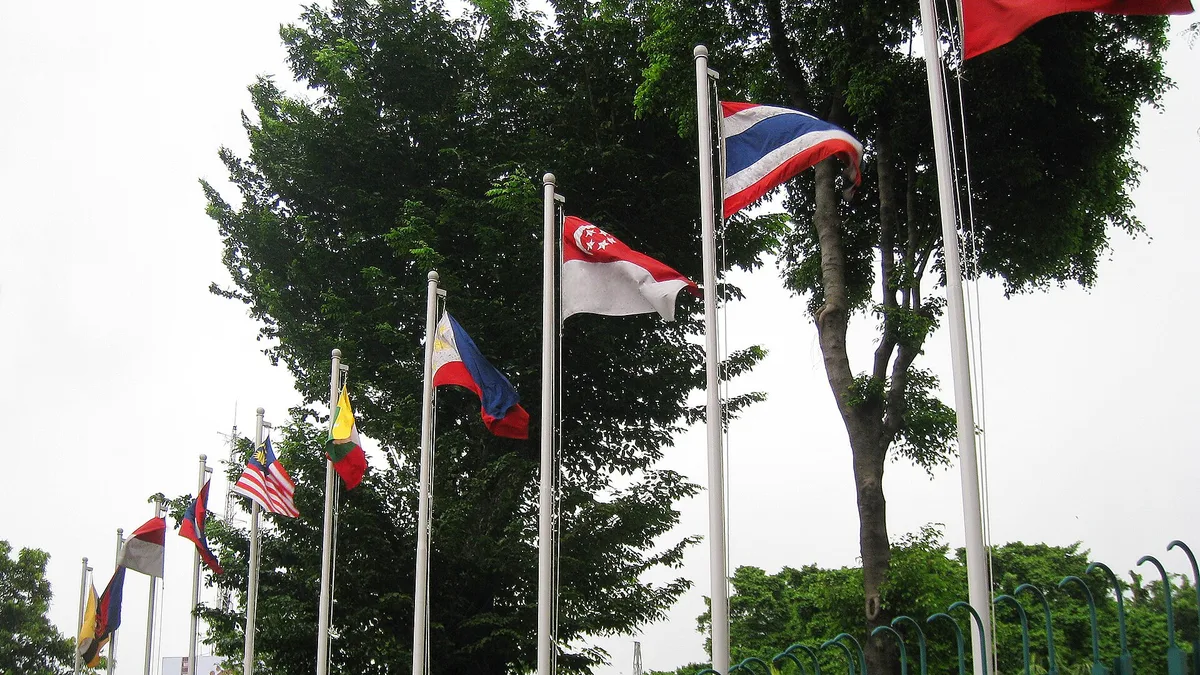
Malaysia, Myanmar, and the Philippines are three distinct sovereign nations located in Southeast Asia, each with a long and independent historical lineage. The modern political entities emerged from complex histories involving indigenous kingdoms, colonial rule, and post-war independence movements. The Federation of Malaya, the precursor to modern Malaysia, gained independence from British colonial administration in 1957, with the formation of Malaysia occurring in the 1960s. Myanmar, historically known as Burma, achieved independence from British colonial rule in the late 1940s, though its modern political history has been marked by significant internal conflict. The Philippines attained sovereignty first from Spanish colonial rule in the late 19th century and then from United States administration following the Second World War in the mid-20th century. Their grouping in a football context is an external categorization for analytical or comparative purposes within the Asian Football Confederation (AFC), not a formal sporting or political union.
What it is for
In the context of Asian football, grouping Malaysia, Myanmar, and the Philippines serves as a regional analytical framework for comparing football development, competitive levels, and administrative challenges. This grouping allows for the study of Southeast Asian football ecosystems that share certain developmental characteristics, such as navigating rapid economic change and managing popular local and international sports. It provides a structure for fans and analysts to understand the relative strengths and trajectories of national teams and leagues within a specific sub-regional context. The categorization is used to frame discussions on the growth of the sport, investment patterns, and the impact of regional club competitions like the AFC Cup. It also highlights shared obstacles, including infrastructure limitations, political interference in sport, and competition for talent and viewership with more established European leagues. Fundamentally, this grouping exists to facilitate comparative analysis rather than to represent a unified sporting bloc.
Overview
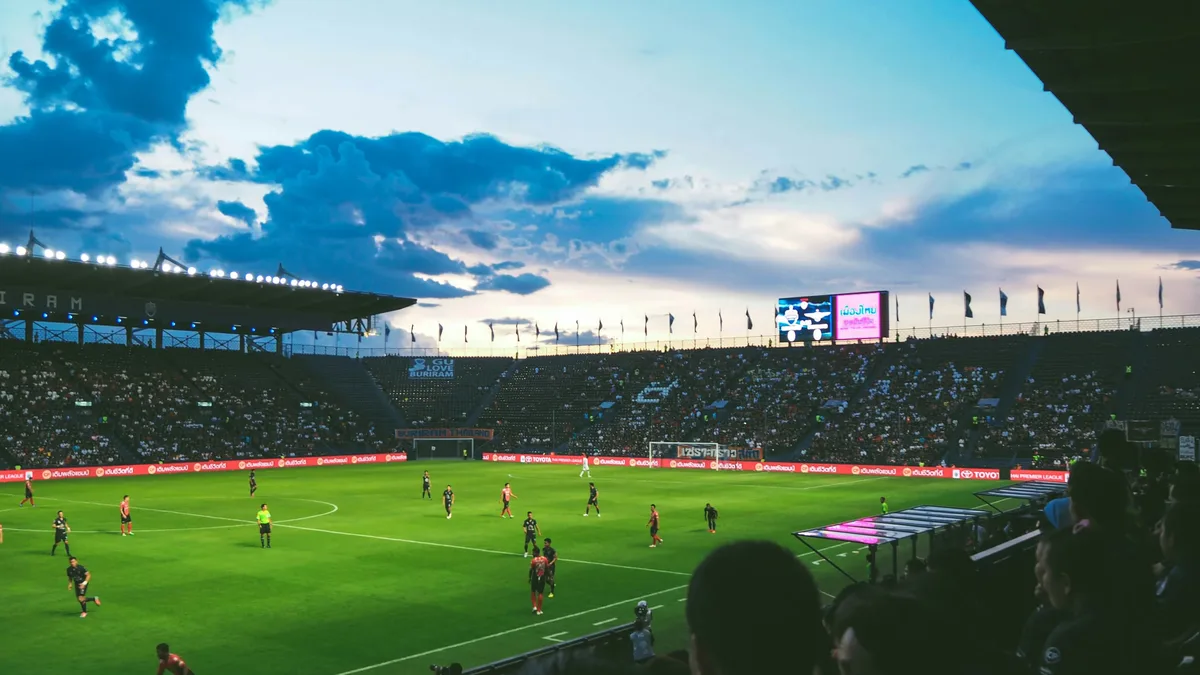
In AFC competitions, the national teams and domestic leagues of Malaysia, Myanmar, and the Philippines are categorized as developing football nations within the ASEAN Football Federation (AFF) zone. Their men's national teams have experienced fluctuating FIFA rankings, with occasional strong performances in the AFF Championship but consistent difficulty advancing to the latter stages of the AFC Asian Cup or qualifying for the FIFA World Cup. The domestic leagues, Malaysia Super League, Myanmar National League, and Philippines Football League, operate as professional or semi-professional competitions facing challenges with financial sustainability, fan attendance, and depth of talent. Clubs from these nations typically compete in the AFC Cup, the continent's secondary club competition, where they aim to progress from the ASEAN zone group stages. The football culture in each country coexists with a deep passion for other sports, such as basketball in the Philippines and sepak takraw in Malaysia and Myanmar. Youth development systems are in various stages of reform, often relying on a mix of private academies, school systems, and limited federation-led programs.
What to know
A key point is that football's popularity and administrative health vary significantly between these three nations, with Malaysia generally having the most structured league and Myanmar facing the most severe political and infrastructural challenges. The Philippines' football landscape has been notably influenced by its diaspora, with the national team historically relying heavily on foreign-born players of Filipino heritage, a strategy known as the "Filipino diaspora model." In Myanmar, domestic football has been periodically disrupted by political instability, affecting league continuity, foreign player participation, and even the national team's ability to host matches. Malaysia has invested in centralized high-performance programs and stadium infrastructure, but its league has struggled with club insolvency and frequent format changes. All three nations are considered fertile ground for talent scouting by larger Asian leagues, leading to a regular outflow of their best domestic players to clubs in Thailand, Vietnam, Japan, and South Korea. Understanding the distinct colonial sporting legacies, British in Malaysia and Myanmar, American in the Philippines, helps explain the different foundational sports cultures each country possesses.
Common questions
A frequent question is which of the three nations currently has the strongest national team, a status that tends to shift but has recently been held by the Philippines following their historic AFC Asian Cup qualification in 2019, though Malaysia has shown competitive growth. People often ask why these countries, despite large populations, do not perform better on the continental stage, which relates to factors like limited grassroots funding, competition from other sports, and systemic administrative issues. Another common inquiry is about the best domestic club sides, with Johor Darul Ta'zim (Malaysia) dominating regionally, Yangon United (Myanmar) being a historical force, and United City (Philippines) having recent continental experience. Many wonder about the fan culture, which is most fervent and consistent in Malaysia, more sporadic in the Philippines, and deeply passionate but often constrained in Myanmar due to external circumstances. Questions also arise about player development pathways, which typically see top talents moving abroad in their late teens or early twenties, sometimes hindering the quality of the local league product. Observers regularly ask about the impact of naturalized players, a strategy employed most aggressively and successfully by the Philippines, with more selective use by Malaysia and Myanmar.
Pros and cons
A significant pro for football in this grouping is the genuine, growing fan base and the potential market size, which offers long-term commercial upside for investors and broadcasters willing to endure development phases. The passion for regional rivalry in tournaments like the AFF Championship creates intense, engaging football atmospheres that can help propel the sport's profile nationally. A clear con is the chronic administrative instability and political interference, particularly in Myanmar and the Philippines, where federation governance can change with political tides, disrupting long-term planning. Many fans regret the frequent exodus of top domestic talent to neighboring leagues, which often weakens the spectacle and competitive balance of the local league before it can mature. A common mistake by external observers is lumping all three football landscapes together as equally underdeveloped, when in reality their challenges, from infrastructure to governance, exist on different scales and have different root causes. The lack of consistent financial investment and the collapse of professional clubs due to poor financial management is a recurring failure that has set back league development in all three countries multiple times.
Who it suits
This football landscape suits analysts and fans who are interested in the developmental side of the sport, focusing on emerging nations and long-term growth stories rather than consistent high-level performance. It appeals to scouts and agents looking for undervalued talent markets where players can be identified and developed for transfer to more established Asian leagues, often at a lower initial cost. The category suits dedicated supporters who derive deep satisfaction from following clubs and national teams through periods of struggle and rare triumph, valuing loyalty and local identity over guaranteed success. It is relevant for football administrators and development professionals specializing in capacity-building, who work on projects related to league structuring, coach education, and grassroots program implementation in challenging environments. This grouping does not suit the casual fan seeking the highest quality football or guaranteed spectacle, as matches can be tactically erratic and leagues are prone to unpredictability both on and off the pitch. It is also a critical area of study for those examining the intersection of sport, politics, and society in Southeast Asia, given the distinct ways each country's political climate impacts its football operations.