
India
| Country of origin | India |
|---|---|
| First created | 1937 |
| Original use | Football competition administration |
| Governing body | All India Football Federation (AIFF) |
| Primary domestic league | Indian Super League (ISL) |
| Primary domestic cup | Durand Cup |
| National team | India men's national football team |
| Women's national team | India women's national football team |
Origin and history
India is a sovereign nation located in South Asia, originating from the historical Indian subcontinent. Its modern political form emerged in the mid-20th century following a prolonged independence movement against British colonial rule. The region itself is one of the world's oldest civilizations, with documented history spanning several millennia. The foundations of its contemporary footballing structure were laid in the late 19th century during the colonial period. The All India Football Federation (AIFF), the national governing body, was formed in the 1930s, aligning the country with international football structures. India's national football team was among the early members of the Asian Football Confederation (AFC) in the 1950s, marking its formal entry into the Asian football community.
What it is for
The football ecosystem in India exists to develop, organize, and promote the sport at both professional and grassroots levels within the nation. Its primary structure is for administering national teams that represent the country in AFC and FIFA competitions. The domestic league system, spearheaded by the top-tier Indian Super League, is for providing a professional platform for club football and nurturing local talent. The framework is also for conducting state and national level tournaments that feed into the professional pyramid. Furthermore, the system is designed for implementing coaching and referee education programs accredited by the AFC. Ultimately, its purpose is to elevate the standard of Indian football to be competitive within the Asian region.
Overview
Indian football operates under the governance of the All India Football Federation, a member of both the AFC and FIFA. The men's national team competes in AFC Asian Cup qualifiers and challenges for advancement in the AFC's World Cup qualification pathways. Domestically, the Indian Super League (ISL) and the I-League form the core of the professional club landscape, though their exact hierarchical relationship has been subject to restructuring. The country also hosts the historic Durand Cup, one of the world's oldest existing football tournaments. The women's national team participates in AFC Women's Asian Cup qualifying and other regional competitions. The domestic structure includes extensive youth and state association tournaments intended to identify and develop players from a young age.
What to know
India's most significant football achievement was winning gold medals in football at the Asian Games in the 1950s and 1960s. The domestic structure has undergone significant reform, with the franchise-based Indian Super League, launched in the 2010s, becoming the de facto top division. The I-League, founded in the 2000s, now operates as a second-tier competition following a major league restructuring in the 2020s. The national team has struggled to consistently qualify for the AFC Asian Cup, with its last automatic qualification occurring in the 2010s. Football's popularity is highly regional, with traditional hotbeds in states like West Bengal, Goa, Kerala, and the Northeast. The AIFF runs a multi-tiered pyramid, but promotion and relegation between the ISL and I-League has only recently been implemented.
Common questions
A common question is why India, with its vast population, is not a stronger force in Asian football, which relates to infrastructure, funding, and the dominance of cricket. People often ask about the difference between the Indian Super League and the I-League, which is a distinction between a newer franchise league and an older club-based league. Many inquire about India's historic refusal to play in the 1950 FIFA World Cup, which is widely attributed to a focus on the Olympics and disagreements over boot regulations. Questions arise about the best Indian footballers, with notable historical figures like Sunil Chhetri, Bhaichung Bhutia, and earlier stars from the mid-20th century. Supporters frequently ask how to follow the national team's progress, which is through AFC qualification groups for the Asian Cup and World Cup. Another recurring question concerns the development pathway for young players, which involves club academies, state associations, and national youth teams.
Pros and cons
A significant pro is the substantial demographic potential and a growing, passionate fanbase in specific football-centric regions. The injection of corporate investment and glamour via the Indian Super League has raised the domestic league's profile and professionalism. The establishment of a clearer league pyramid with promotion and relegation is a positive structural development. A major con is the chronic administrative instability and factionalism within the football federation, which has frequently disrupted long-term planning. The sport suffers from severely underdeveloped grassroots infrastructure, particularly outside its traditional strongholds, limiting the talent pool. A common mistake is the continual restructuring of the domestic league system, which creates uncertainty for clubs, investors, and fans, hindering sustainable growth. Many fans of traditional clubs regret the marginalization of historic entities in favor of new franchise teams, feeling a loss of footballing heritage.
Who it suits
The Indian football landscape suits investors and franchises seeking entry into a large, unsaturated market with potential for long-term growth. It appeals to international players and coaches in the latter stages of their careers looking for a professionally operated league with a respectable profile. The system suits young domestic talent who can secure professional contracts in the ISL or I-League, though pathways to higher levels remain challenging. It is ideal for fans in specific cities and states with deep-rooted club traditions, where matchday culture is vibrant and passionate. The national team structure suits players who aspire to represent their country in continental competition, albeit with the challenge of inconsistent competitive success. It also suits development-focused coaches and administrators who are patient and willing to navigate a complex and often bureaucratic sporting environment.
Latest India news
Latest reporting

India women host Russia in historic Kolkata friendly
India's women's football team will face Russia at Kolkata's Kishore Bharati Krirangan on 8 October 2026, seeking to extend a five-match winning run...
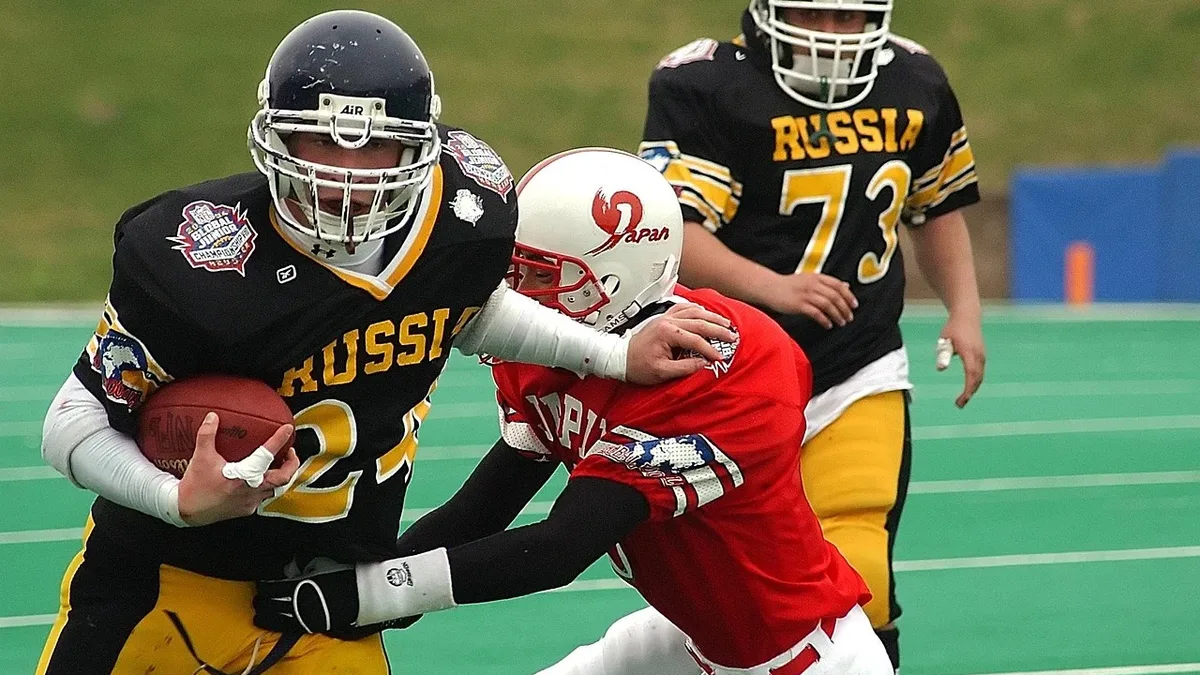
India's heavy defeats to Brazil and Uruguay expose defensive frailties
India conceded 11 goals across three September-October friendlies, with heavy losses to Brazil and Uruguay prompting coach Khalid Jamil to admit...

Uruguay dominate India 6-1 in Kolkata friendly
Uruguay thrashed India 6-1 in an international friendly in Kolkata on October 6, 2026, with Darwin Nunez, Maximiliano Araujo, Rodrigo Zalazar, Juan...

Uruguay face India in Kolkata as Forlán seeks momentum
Uruguay, ranked 20th globally, conclude their international break against India in Kolkata.

India U17 Women Crush Iraq 14-0 in Historic Qualifier Win
India's U17 women's team began their AFC U17 Women’s Asian Cup China 2027 qualifying campaign with a record-breaking 14-0 victory over Iraq in Group...
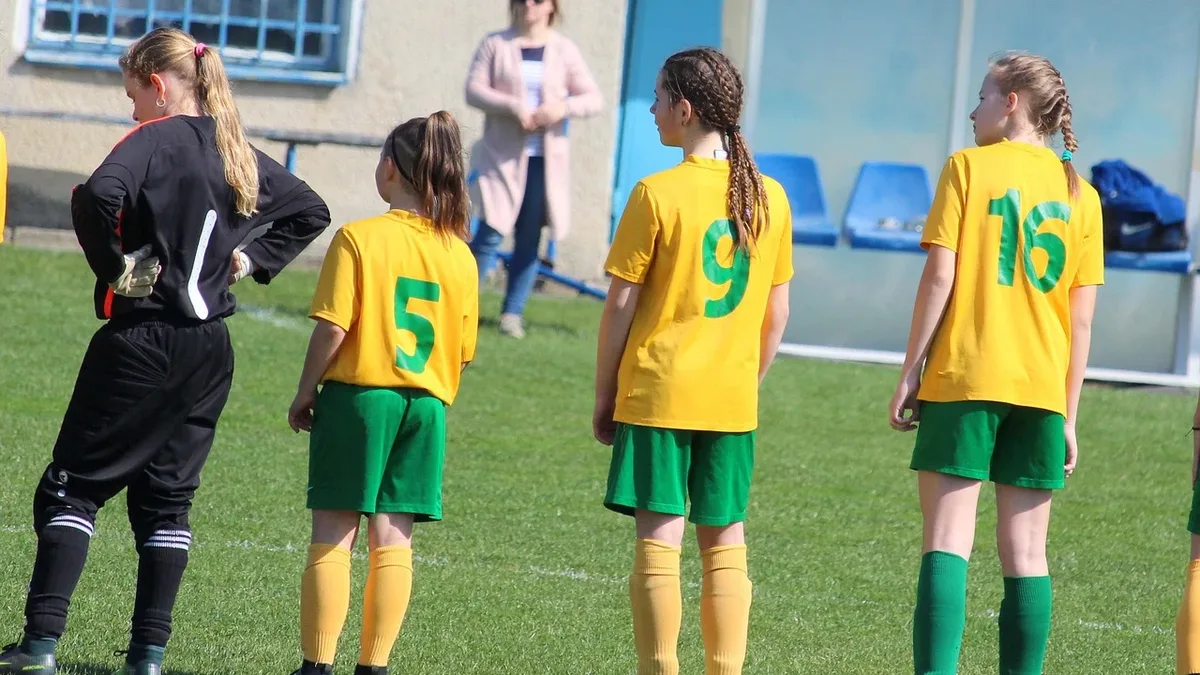
India U17 Women's Squad Named for AFC Asian Cup Qualifiers
Head coach Joakim Alexandersson has named a 23-player squad for the AFC U17 Women's Asian Cup 2027 Qualifiers.