
K League 1
| Founded | 1983 |
|---|---|
| Governing body | Korea Football Association |
| Member clubs | 12 |
| Promotion to | None (top tier) |
| Relegation to | K League 2 |
| Current champion | Ulsan HD FC (as of 2023 season) |
| Season | March to November |
Overview
K League 1 is the top professional association football division in the South Korean football league system. It is sanctioned by the Korea Football Association and operates as a corporation, K League Inc., which oversees both the first and second divisions. The league typically consists of 12 clubs competing in a system of promotion and relegation with K League 2. It is the primary feeder league for AFC Champions League spots allocated to South Korea, with its champion and cup winner earning direct entry. Matches are played from late February or early March through November or December, aligning with the standard Asian football calendar. The league is a central pillar of the domestic sports landscape and serves as the primary development ground for the South Korean national team.
History
The league originated in South Korea in the early 1980s, with its first season launched in 1983. It was initially founded as a semi-professional league known as the Korean Super League, featuring five clubs primarily owned by large industrial corporations. This era was characterized by a focus on company teams, where players were often employees of the sponsoring conglomerate. The league transitioned to a fully professional format in the late 1990s, rebranding as the K-League and expanding its geographical footprint beyond a few central cities. A significant structural change occurred in the 2010s with the formal introduction of a promotion and relegation system and the split into K League 1 and K League 2. Throughout its history, the league has been instrumental in the rise of South Korean football, producing players who have achieved success in top European leagues and for the national team.
How it works today
The competition format involves a double-round robin, where each of the 12 clubs plays every other team twice, once at home and once away, for a total of 33 matches per team. Following these 33 rounds, the league splits into a "Final A" group for the top six teams and a "Final B" group for the bottom six, with each team playing the others within their group once more. This results in a total of 38 matches per club, with points accumulated across the entire season determining the final standings. The team finishing first is crowned champion, while the bottom two teams are automatically relegated to K League 2. The team finishing in 11th place enters a two-legged promotion/relegation playoff against the K League 2 playoff winner. Qualification for AFC club competitions is awarded to the league champion, the Korean FA Cup winner, and the next highest-placed teams in the final standings, based on the AFC's slot allocation for South Korea.
Pros and cons
A significant advantage of K League 1 is its role as a highly effective and financially accessible proving ground for young South Korean talent, offering substantial playing time before potential moves to Europe. The league's competitive balance is generally good, with multiple clubs capable of challenging for the title or continental spots in any given season. However, a common critique is the league's relatively low average attendance and gate revenue outside of matches involving a few high-profile clubs, which impacts overall atmosphere and financial stability for some teams. A genuine drawback for some players is the physical and tactical intensity, which can be high, but the technical pace of the game is sometimes perceived as slower than in top European leagues, leading to adjustment difficulties upon transfer. Clubs and fans often regret the league's limited international broadcast reach and marketing, which restricts global visibility and commercial growth compared to some neighboring Asian leagues. A frequent mistake by external observers is underestimating the league's tactical organization and defensive discipline, which can make matches strategically tight and lower-scoring.
Who it suits
This league suits ambitious young South Korean players seeking a clear pathway to first-team football and a visible platform to earn a transfer to European clubs. It is also well-suited for experienced foreign players, often from Brazil or other footballing nations, who can provide leadership and a high technical standard while adapting to a structured football culture. The competition appeals to fans who prioritize tactical discipline, club loyalty, and the narrative of domestic player development over flashy, high-scoring entertainment. It is an ideal environment for managers and coaches interested in implementing organized defensive systems and developing youth within a professional framework. The league suits investors or sponsors aligned with long-term nation-building in football rather than seeking immediate global commercial returns. Finally, it is a critical competition for scouts from European clubs looking for technically sound, coachable, and physically robust players who have been tested in a professional environment.
Latest K League 1 news
Latest reporting

Al Nassr host Diriyah in key Saudi Pro League clash
Defending champions Al Nassr, led by Cristiano Ronaldo, face newly promoted Diriyah at Alawwal Park with just four points separating the sides in the...

Mumbai City FC extends Matix partnership for ISL 2026-27
Mumbai City FC has renewed its commercial partnership with Matix Fertilisers and Chemicals Limited as Associate Partner for the upcoming Indian Super...

Kombans win Super League Kerala shootout
Thiruvananthapuram Kombans FC defeated defending champions Kannur Warriors FC 3-0 on penalties on October 4, 2026, after a 1-1 draw.
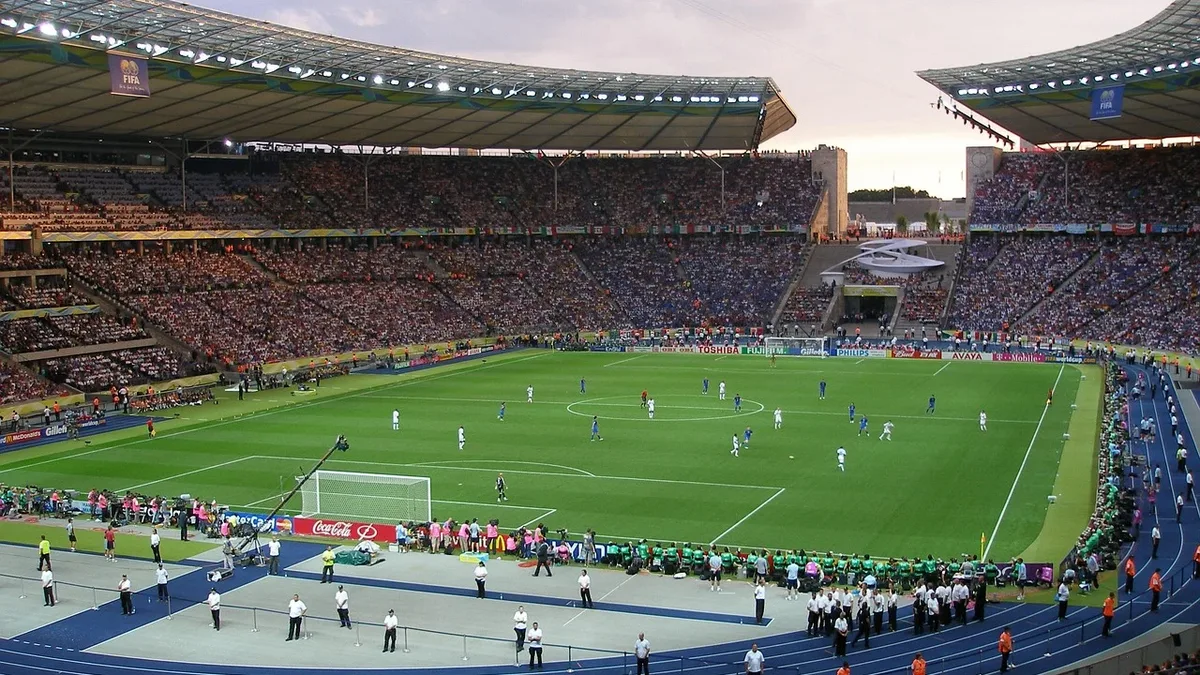
ISL 2026-27 fixture list released, season starts October 10
The 2026-27 Indian Super League season will begin on October 10 with Bengaluru FC hosting Sporting Club Delhi.
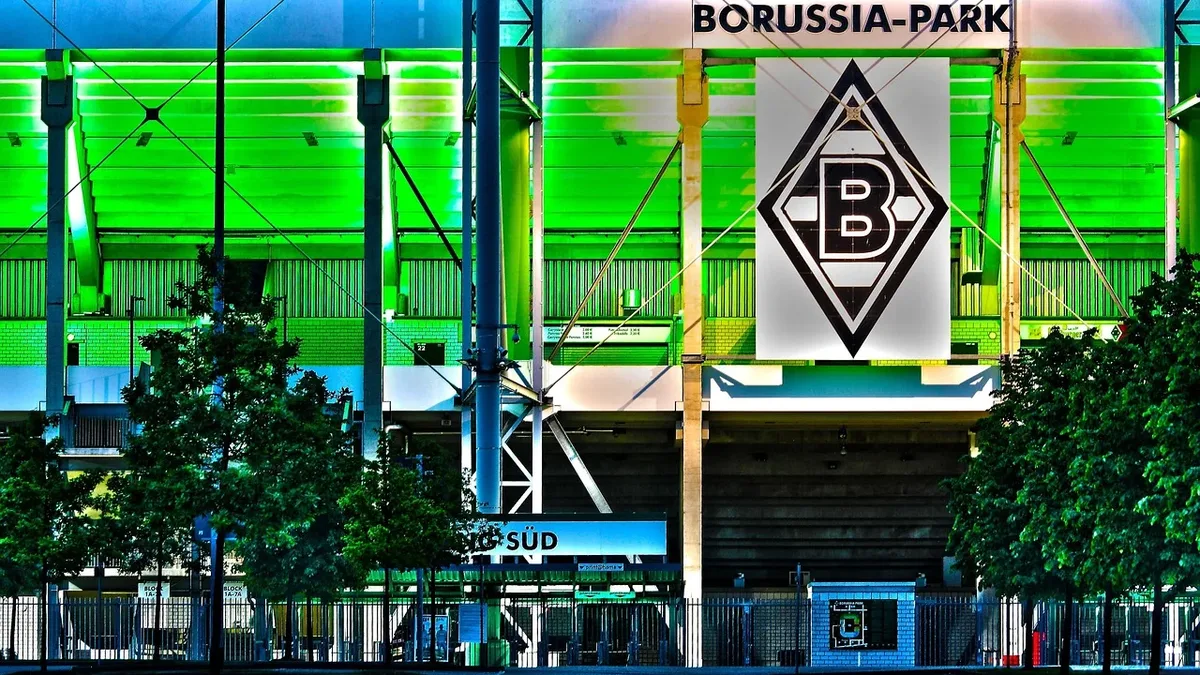
ISL 2026-27 fixture list reveals Kerala Blasters schedule
The Indian Super League's 2026-27 fixture list is out, detailing a 24-match home-and-away season for 13 clubs.
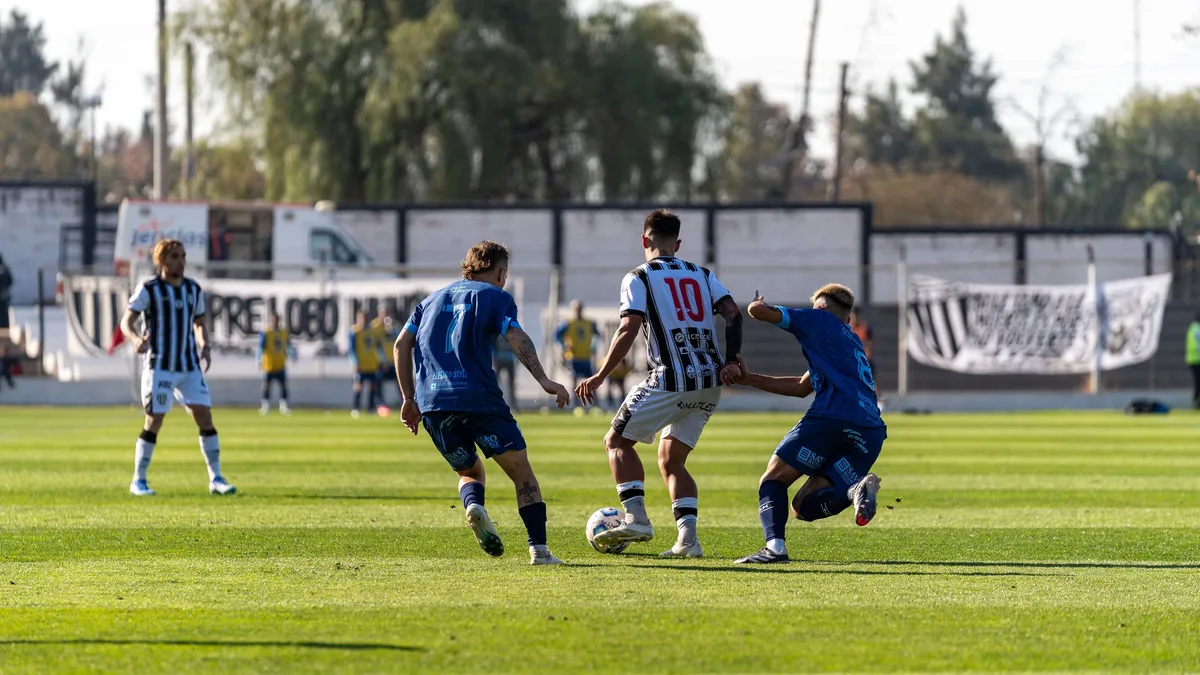
Odisha FC signs four foreign players for 2026-27 ISL season
Odisha FC has announced four foreign signings-Stephen Eze, Giorgi Aburjania, Manu Molina, and Everton Nascimento-for the upcoming Indian Super League...