J1 League
| Founded | 1992 |
|---|---|
| Governing body | Japan Professional Football League |
| Number of clubs | 18 |
| Relegation to | J2 League |
| Promotion from | J2 League |
| Domestic cup(s) | Emperor's Cup |
| Continental qualification | AFC Champions League |
Overview
The J1 League is the top professional association football division in the Japanese football league system. It is organized by the Japan Professional Football League and operates as a corporation comprising the participating clubs. The league is a cornerstone of the sport's development in Asia and is widely considered one of the continent's premier domestic competitions. Its clubs regularly achieve success in AFC Champions League tournaments, enhancing the league's regional prestige. The competition is known for its technical style of play, high levels of organization, and passionate supporter culture. Matches are played in modern, purpose-built stadiums that were often constructed or renovated for the 2002 FIFA World Cup co-hosted by Japan and South Korea.
History
The J1 League originates from Japan and was launched in the early 1990s, with its first official season held in 1993. Its creation was a direct result of the professionalization of football in Japan, moving away from the former semi-professional Japan Soccer League which was dominated by company teams. The establishment of the J.League was a strategic effort to popularize the sport following the success of the 1964 Tokyo Olympics and to build a sustainable commercial model. The league's initial launch featured ten founder clubs, with the Kashima Antlers winning the first championship. Expansion occurred steadily throughout the 1990s and 2000s, responding to growing national interest and the infrastructure legacy of the 2002 World Cup. This period also saw the formal creation of a second division, solidifying a pyramid system for promotion and relegation.
How it works today
The J1 League currently operates with 18 clubs competing in a double-round robin format, resulting in 34 matches per team each season. The team finishing with the most points at the conclusion of this stage is crowned the champion. At the opposite end of the table, the bottom three clubs are automatically relegated to the J2 League, replaced by the top two finishers from that division and the winner of a promotion playoff. The league awards AFC Champions League slots to the top four finishers, though the exact allocation can vary based on the winners of the domestic Emperor's Cup. The season typically runs from February to December, incorporating a summer break and international windows, which can lead to congested fixtures for clubs with many national team players. Video Assistant Referee (VAR) technology has been implemented to support match officials in key decision-making moments during matches.
Pros and cons
A significant strength of the J1 League is its financial stability and corporate governance, which provides a secure environment for player development and long-term club planning. The league's emphasis on technical skill and tactical discipline produces a distinctive style of play that is highly watchable and educates young players effectively. However, a common critique is the league's relative insulation from the global transfer market, often retaining top domestic talent for longer but potentially limiting their exposure to higher-intensity competitions. This can sometimes lead to a perceived lack of star power compared to other major Asian leagues that invest heavily in foreign marquee signings. The lengthy season, which overlaps with the European calendar, can create fixture congestion and player fatigue, especially for teams involved in continental competitions. Some supporters of historically large clubs regret a perceived competitive imbalance, where consistent challengers emerge from a relatively small group, though promotion and relegation maintain a degree of unpredictability.
Who it suits
The J1 League suits football purists who appreciate organized, technically proficient football focused on system and team cohesion over individual athleticism. It is an ideal destination for young players from across Asia and other regions seeking a professional, structured environment to develop their skills before potentially moving to European leagues. The league also appeals to administrators and investors looking for a commercially mature and stable sports enterprise within Asia. For fans, it suits those who value a strong, safe matchday atmosphere, deep community connections between clubs and their localities, and a high standard of stadium facilities. Scouts from European clubs frequently monitor the competition for technically gifted players who have been coached within its disciplined tactical frameworks. Finally, it suits viewers and broadcasters seeking a reliably high-quality product that consistently contributes strong representatives to AFC club competitions.
Latest J1 League news
Latest reporting
Al Nassr host Diriyah in key Saudi Pro League clash
Defending champions Al Nassr, led by Cristiano Ronaldo, face newly promoted Diriyah at Alawwal Park with just four points separating the sides in the...
Mumbai City FC extends Matix partnership for ISL 2026-27
Mumbai City FC has renewed its commercial partnership with Matix Fertilisers and Chemicals Limited as Associate Partner for the upcoming Indian Super...
Kombans win Super League Kerala shootout
Thiruvananthapuram Kombans FC defeated defending champions Kannur Warriors FC 3-0 on penalties on October 4, 2026, after a 1-1 draw.
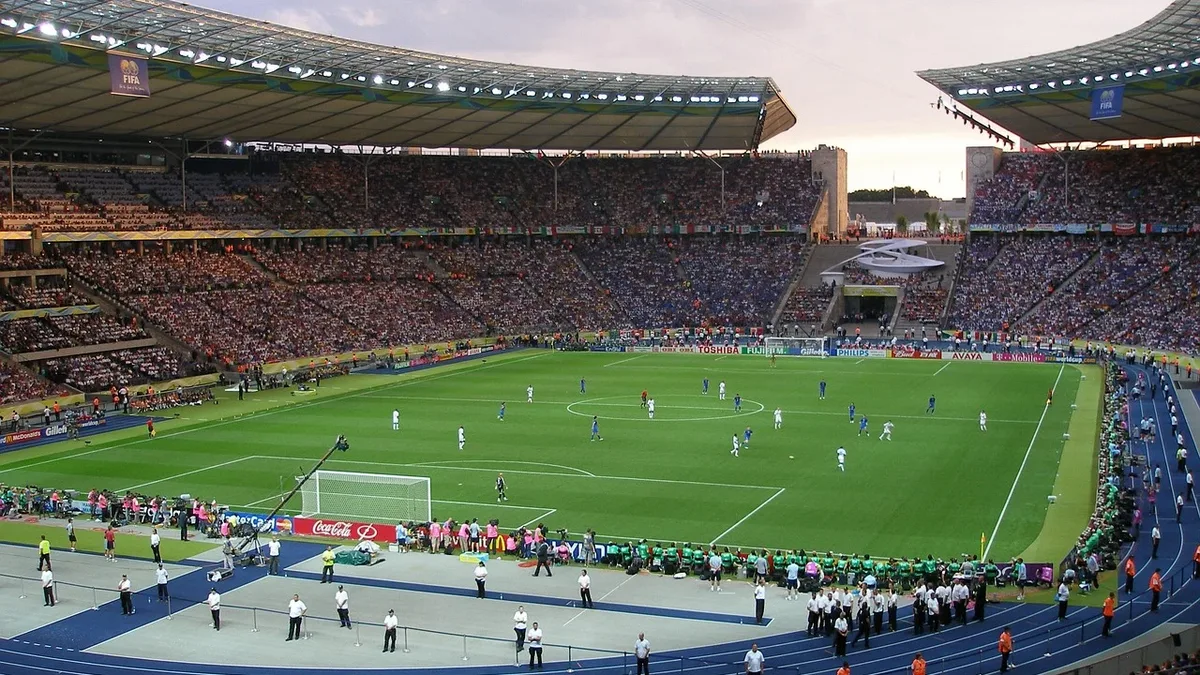
ISL 2026-27 fixture list released, season starts October 10
The 2026-27 Indian Super League season will begin on October 10 with Bengaluru FC hosting Sporting Club Delhi.
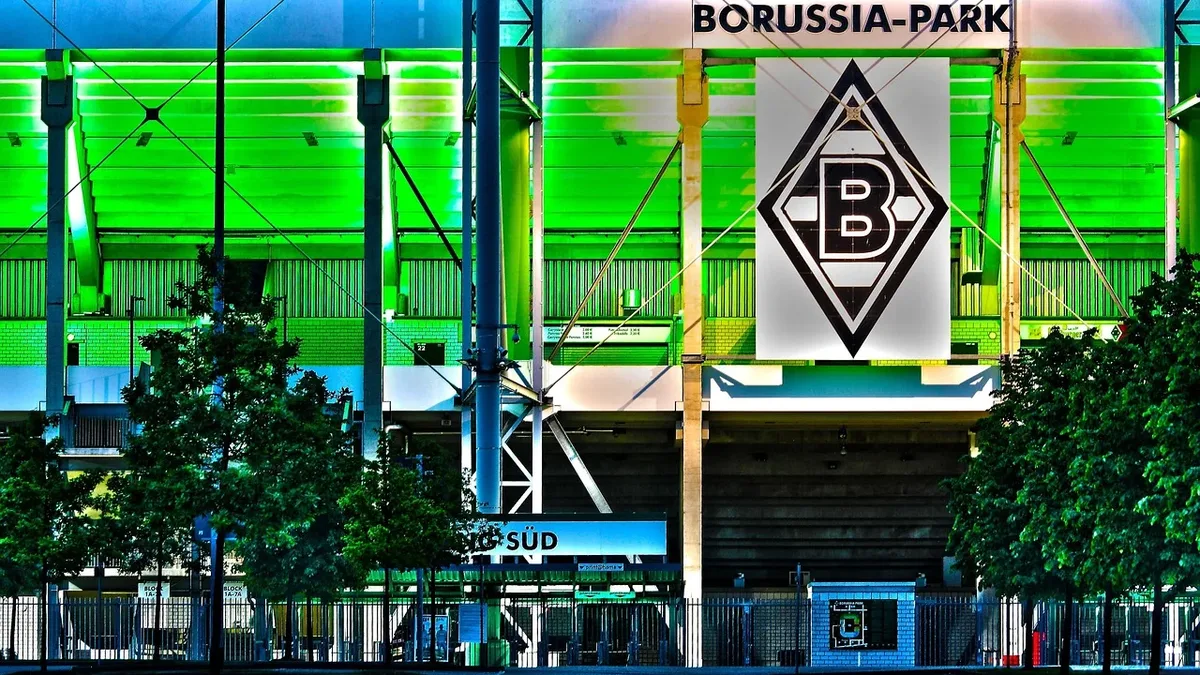
ISL 2026-27 fixture list reveals Kerala Blasters schedule
The Indian Super League's 2026-27 fixture list is out, detailing a 24-match home-and-away season for 13 clubs.
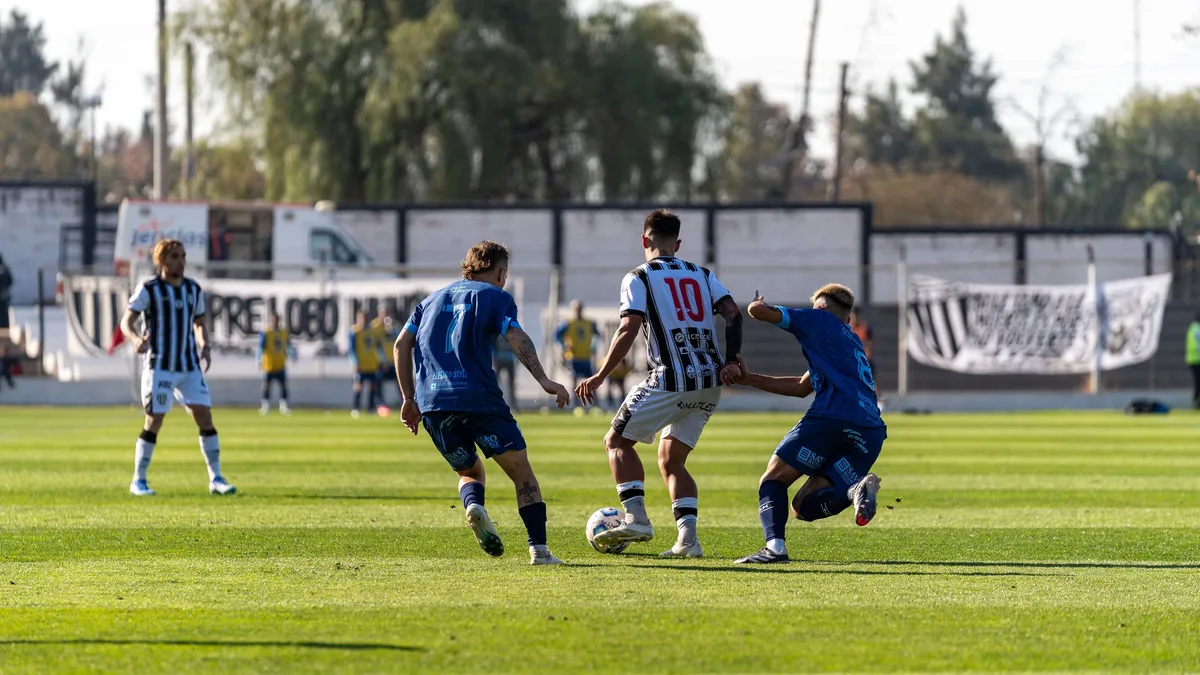
Odisha FC signs four foreign players for 2026-27 ISL season
Odisha FC has announced four foreign signings-Stephen Eze, Giorgi Aburjania, Manu Molina, and Everton Nascimento-for the upcoming Indian Super League...