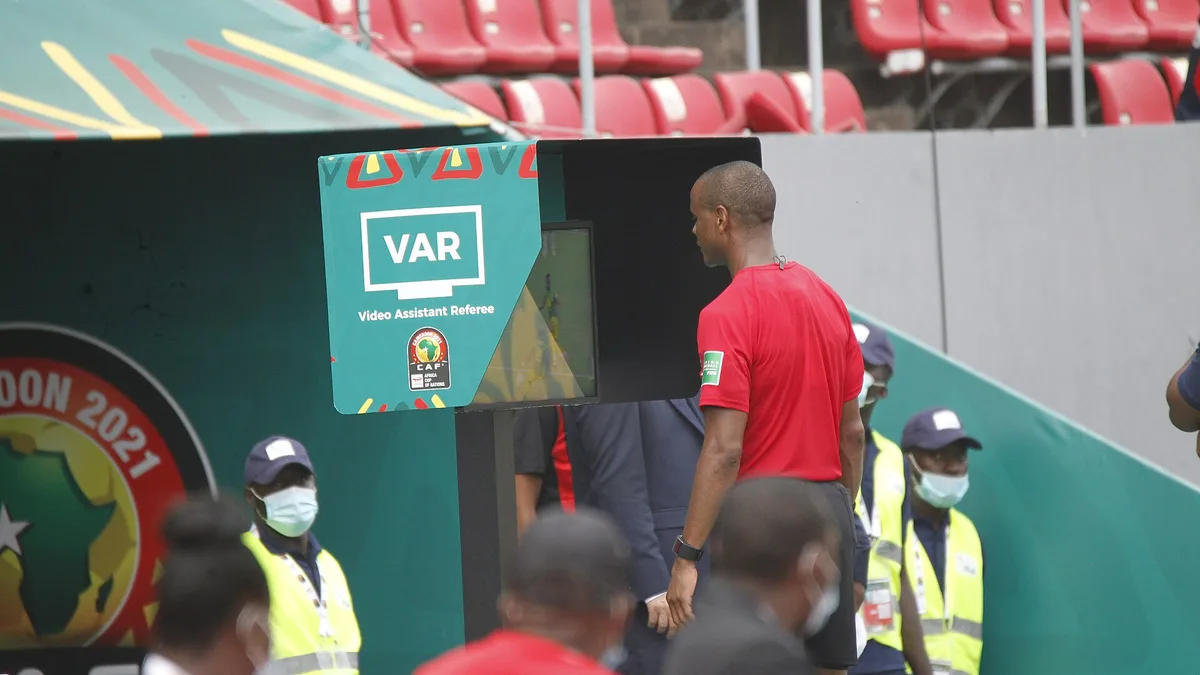
Var And Semi Automated Offside Rollout By Competition
| Competition organizer | AFC |
|---|---|
| Technology category | Semi-automated offside technology |
| Primary use | Officiating assistance in football (soccer) |
| System status | In rollout phase |
| Applicable competitions | AFC competitions and select member leagues |
| Implementation scope | Varies by competition |
Origin and history
The Video Assistant Referee (VAR) system originated from a collaborative project involving the International Football Association Board (IFAB) and FIFA, with its first live trials conducted in the mid-2010s. Semi-Automated Offside Technology (SAOT) is a subsequent evolution, developed primarily by FIFA's technology innovation department and various technology partners in the late 2010s. The phased rollout of these technologies across competitions is not a singular game but a structured implementation process for match officiating tools. This process involves governing bodies like the Asian Football Confederation (AFC) adopting and integrating these systems into their competitions according to a planned schedule. The history of this rollout in Asia is defined by a staggered adoption, beginning with elite club tournaments before expanding to other competitions. The initial implementation in AFC competitions started in the late 2010s, aligning with global trends to enhance the accuracy of officiating in high-stakes matches.
What it is for
This structured rollout process is designed to systematically introduce and standardize VAR and SAOT across different tiers of football within the AFC's jurisdiction. Its primary purpose is to minimize clear and obvious errors in match-changing situations, specifically goals, penalty decisions, direct red cards, and mistaken identity. The process governs which competitions receive the technology and when, based on factors like financial feasibility, infrastructure readiness, and the training of officials. For SAOT specifically, the rollout aims to provide faster and more precise offside decisions through the use of dedicated cameras and ball-tracking sensors. This phased approach allows the AFC to manage the significant logistical and financial burden associated with installing and maintaining these complex systems. Ultimately, the process serves to increase consistency and fairness in officiating across the continent's diverse competitions, from national team tournaments like the Asian Cup to club events like the AFC Champions League.
Pros and cons
A major pro of a managed rollout is that it prioritizes resource allocation, ensuring the most high-profile competitions benefit first where the stakes for error are greatest. This systematic approach allows for the gradual training and development of a pool of specialized video match officials across the region, building necessary expertise. However, a significant con is that it creates a visible tiered system of justice, where decisions in competitions with the technology are subject to different scrutiny than those without. This can lead to perceptions of inequity, where fans and teams in lower-tier leagues feel their matches are less important. The implementation itself can be disruptive, with common mistakes including over-reliance on technology slowing the game's flow and officials struggling with the protocol for on-field review checks. Many purists regret its introduction, arguing it diminishes the spontaneous human element of the game and leads to protracted, joy-killing delays during goal celebrations.
Who it suits
This phased rollout process primarily suits continental and national football associations with the administrative capacity to manage complex technology contracts and official training programs. It is most suited to professional, televised competitions with the financial resources to afford the substantial ongoing costs of hardware, software, and a dedicated VAR operations room. The technology suits competitions where the commercial and sporting stakes are sufficiently high to justify the investment and where stadium infrastructure can support the installation of the required camera systems. From a sporting perspective, it suits competitions historically plagued by high-profile officiating controversies, where governing bodies seek to bolster the credibility of results. It is less suited to amateur or semi-professional leagues where costs are prohibitive and where the pace and physical infrastructure of the game cannot support such precise technological measurement. Ultimately, the rollout strategy suits a governing body's aim for controlled modernization, balancing the desire for accuracy with the practical realities of a vast and economically diverse continent.
Latest Var And Semi Automated Offside Rollout By Competition news
Latest reporting

India's Asian Games Campaign Opens with Hockey Dominance
India's hockey teams began their Asian Games 2026 campaigns with emphatic victories on the opening day of competition.
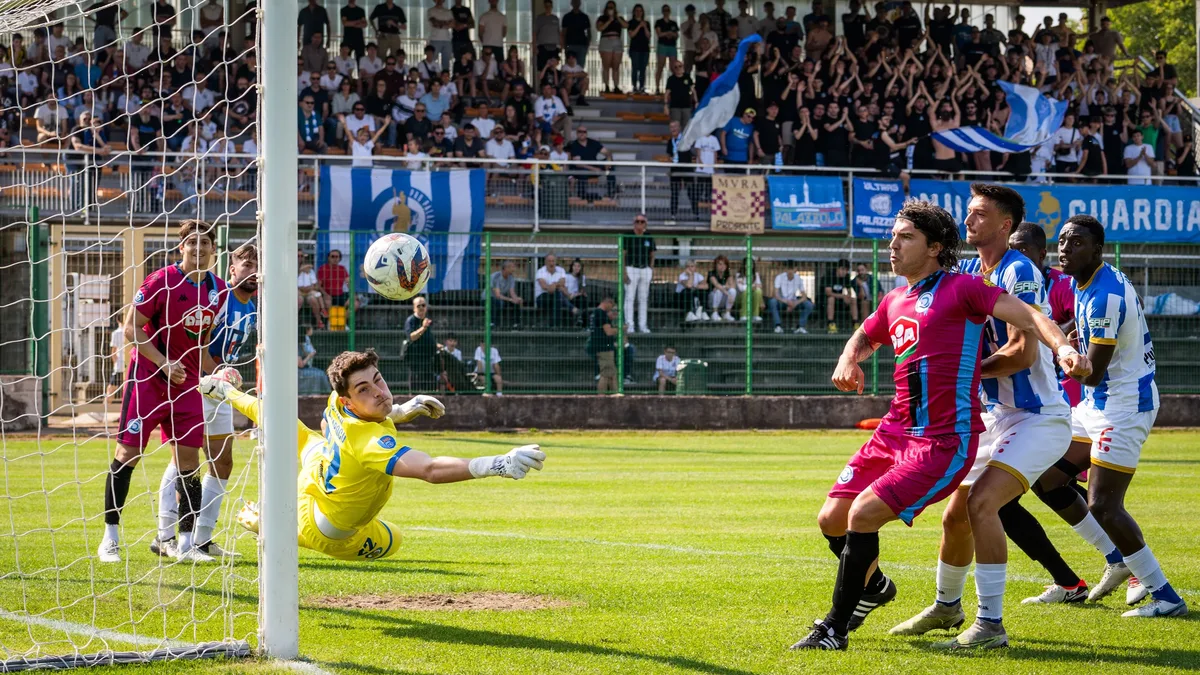
Akhmedov urges Uzbek clubs to aim for ACL
Former Uzbekistan star Odil Akhmedov challenges Pakhtakor and Neftchi to target a semi-final place in the AFC Champions League Elite 2026/27.
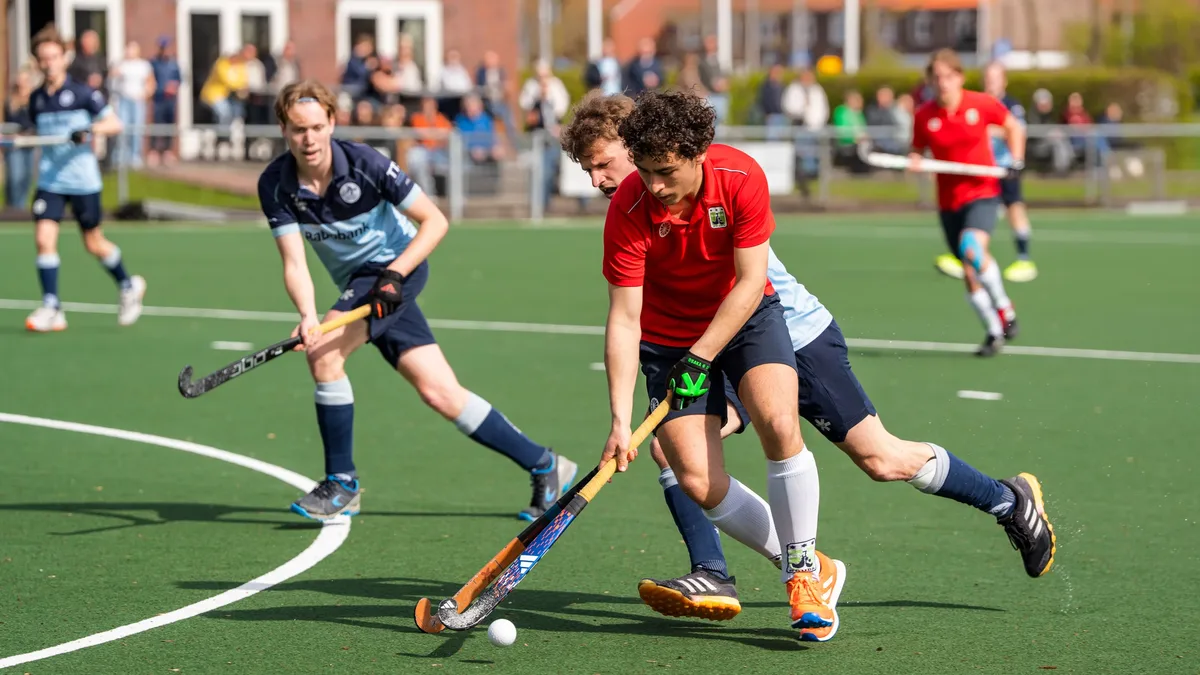
India's Hockey Team Faces Tough Road Ahead in FIH Men's Hockey World Cup 2026
India has qualified for the second round of the FIH Men's Hockey World Cup 2026, but faces a challenging path to the semi-finals.

NorthEast United Complete Stunning Comeback to Reach Durand Cup Semi-finals
NorthEast United FC produced a remarkable comeback to defeat Shillong Lajong FC 5-2 in the Durand Cup quarter-final, booking their place in the...